HOW TO CONTROL MOISTURE CONTENT IN EXPORTED SPICES: A GUIDE FOR IMPORTERS
Spice Moisture Content is one of the key parameters used to assess the quality of exported spices. If not properly controlled, excessive moisture can cause mold growth, color changes, loss of aroma, and quality disputes when shipments arrive at the destination port. Even when a shipment meets the required specifications at the factory, its quality may still be compromised during sea freight if packaging, pallets, and container conditions are not properly prepared.
So, how can importers effectively manage Spice Moisture Content throughout the import process from Vietnam? Below are the key considerations, from factory inspections to cargo delivery and receipt.
Why Is Spice Moisture Content Important for Exported Spices?
Dried spices can absorb moisture from their surroundings when stored under unsuitable conditions. When Spice Moisture Content exceeds the permitted limit, several quality issues may arise:
- Mold Growth and Quality Deterioration: Excessive moisture creates favorable conditions for mold growth, which can alter the product’s color, aroma, and sensory characteristics. Certain types of mold found in spices may also produce toxins under favorable conditions.
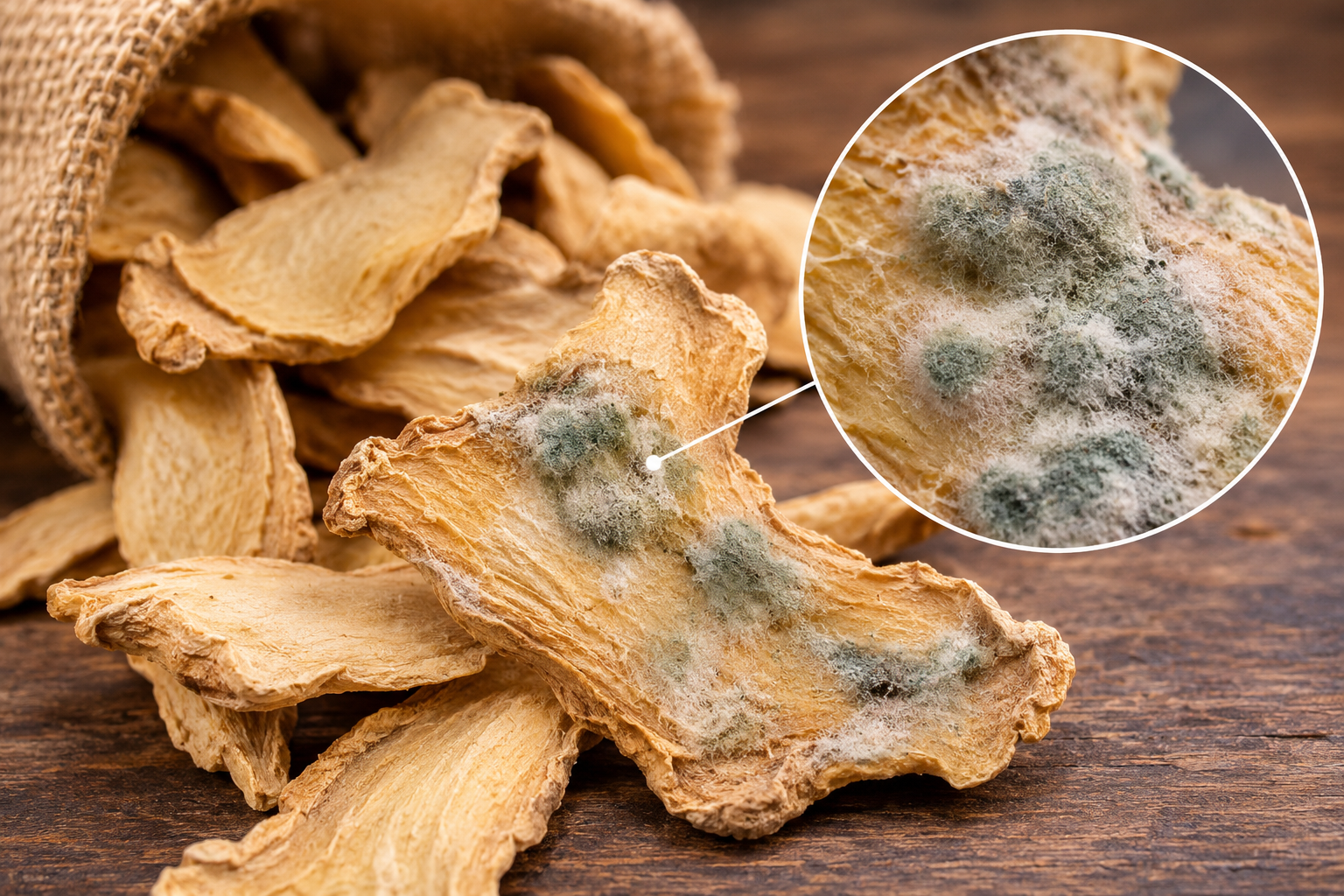
- Reduced Shelf Life: Spices are more susceptible to deterioration when Spice Moisture Content and storage conditions are not properly controlled.
- Impact on Commercial Value: Higher water content increases the shipment’s weight without increasing the amount of usable dry matter.
- Potential Quality Disputes: If test results at the destination port show Spice Moisture Content exceeding the agreed limits, importers may request an independent inspection, negotiate a price reduction, or reject the shipment in accordance with the contract terms.
Are Spice Moisture Content Standards the Same for All Products?
There is no single Spice Moisture Content limit that applies to every type of spice. The required level depends on the product type, product form, applicable standards, and destination market.
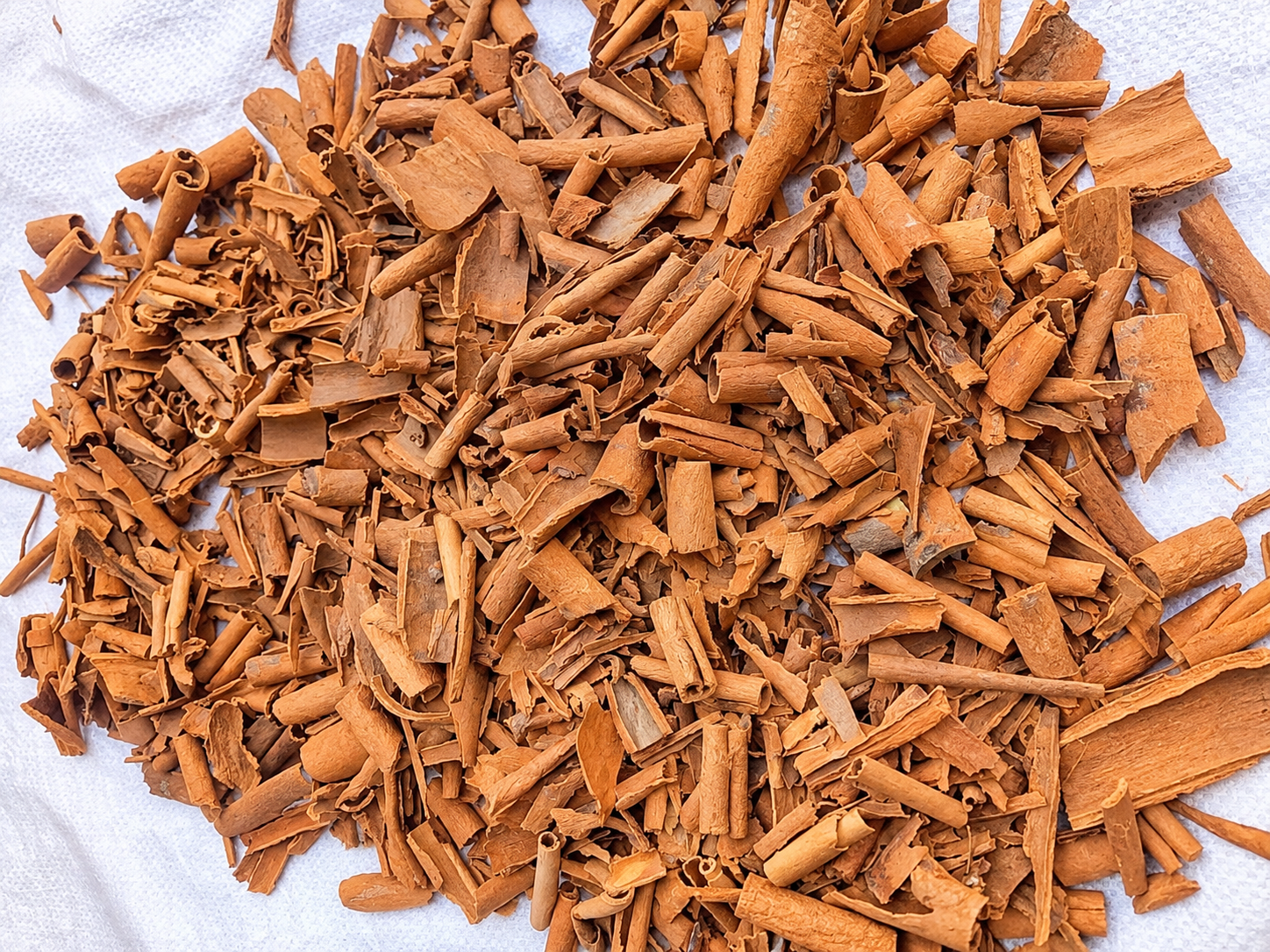
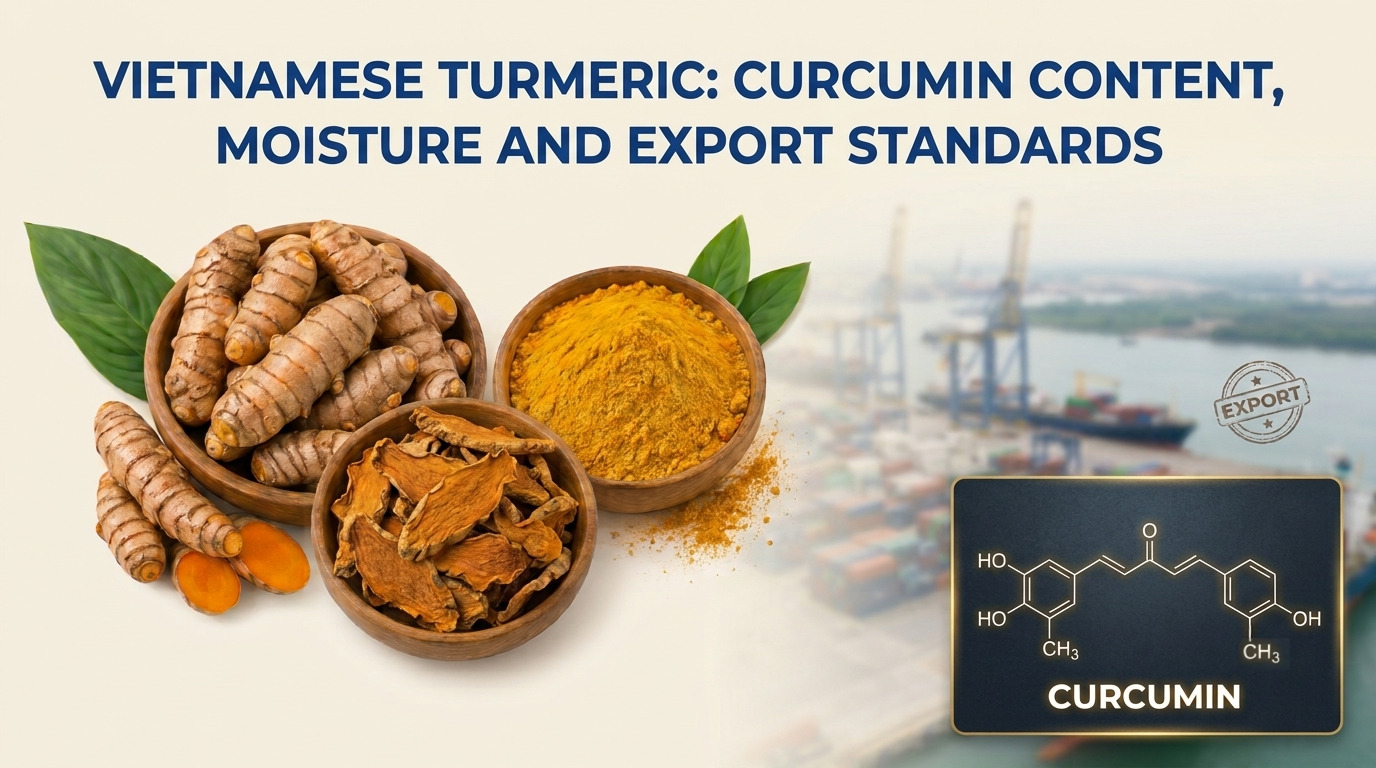
For example, whole black pepper, whole dried turmeric rhizomes, and cinnamon have different characteristics, so their moisture requirements are not necessarily the same. Some commonly referenced commercial specifications include approximately 12–13% for whole black pepper, around 12% for whole dried turmeric, and around 10% for ground turmeric.
These figures are for reference only and do not replace applicable product standards or specifications agreed upon in the contract. Importers should establish specific Spice Moisture Content limits for each product before placing an order.
How to Check Spice Moisture Content at the Factory: What Should Importers Confirm?
The factory is the first point of quality control for an exported spice shipment. When working with suppliers, importers should request information and confirm the following details before shipment:
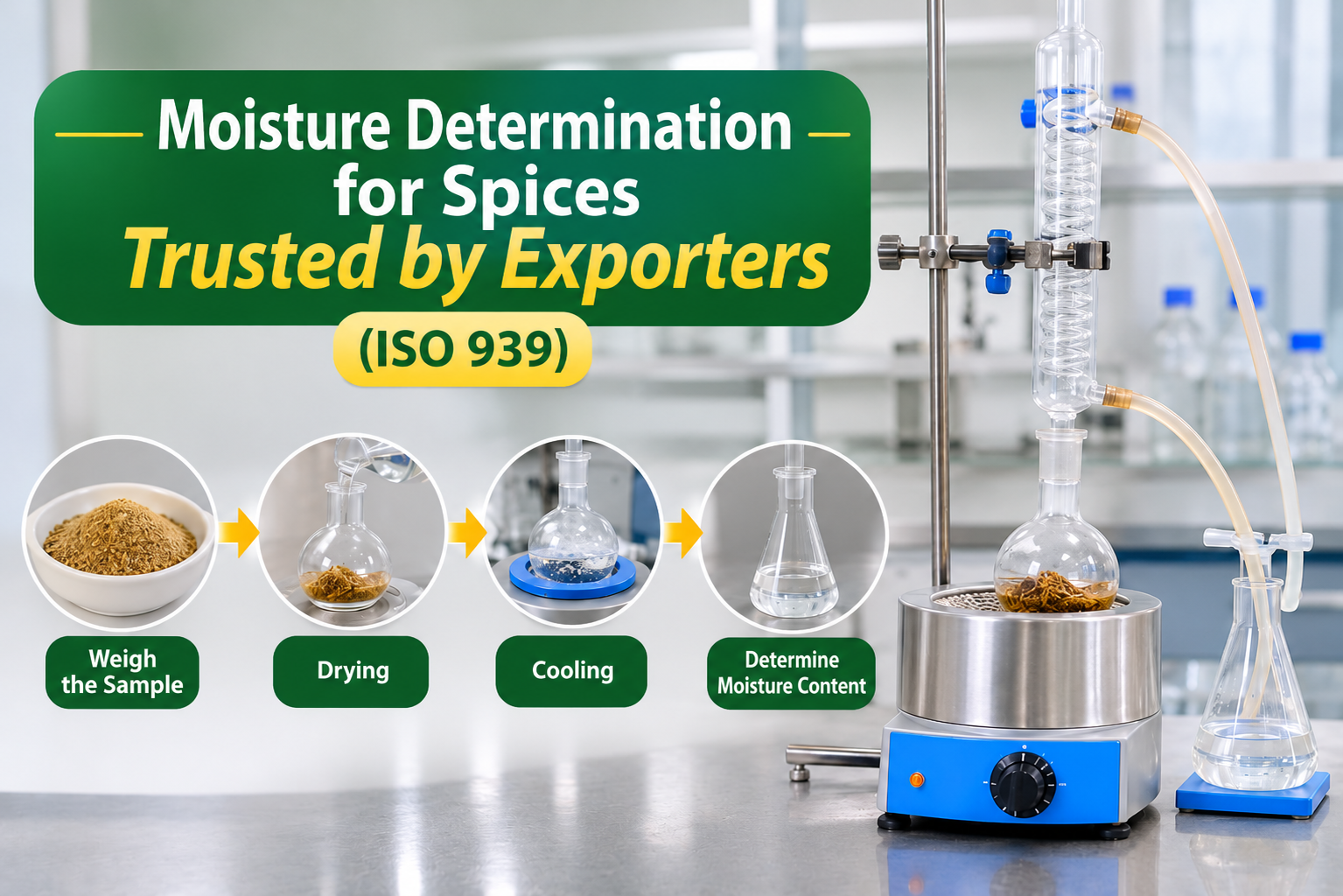
- Agree on the Testing Method: The contract should clearly specify the method used to determine Spice Moisture Content, such as solvent distillation (ISO 939, ASTA 2.0) or the Karl Fischer method. Rapid moisture meters are suitable for routine checks during production.
- Require Representative Sampling: Following the sampling principles of ISO 948, samples should be collected from multiple locations or different packaging units to minimize measurement bias when moisture is unevenly distributed throughout the shipment.
- Confirm Test Results After Drying: Importers should request that suppliers recheck Spice Moisture Content after the spices have been dried and cooled in a clean, dry environment before packaging. This helps minimize the risk of water vapor condensation inside the packaging.
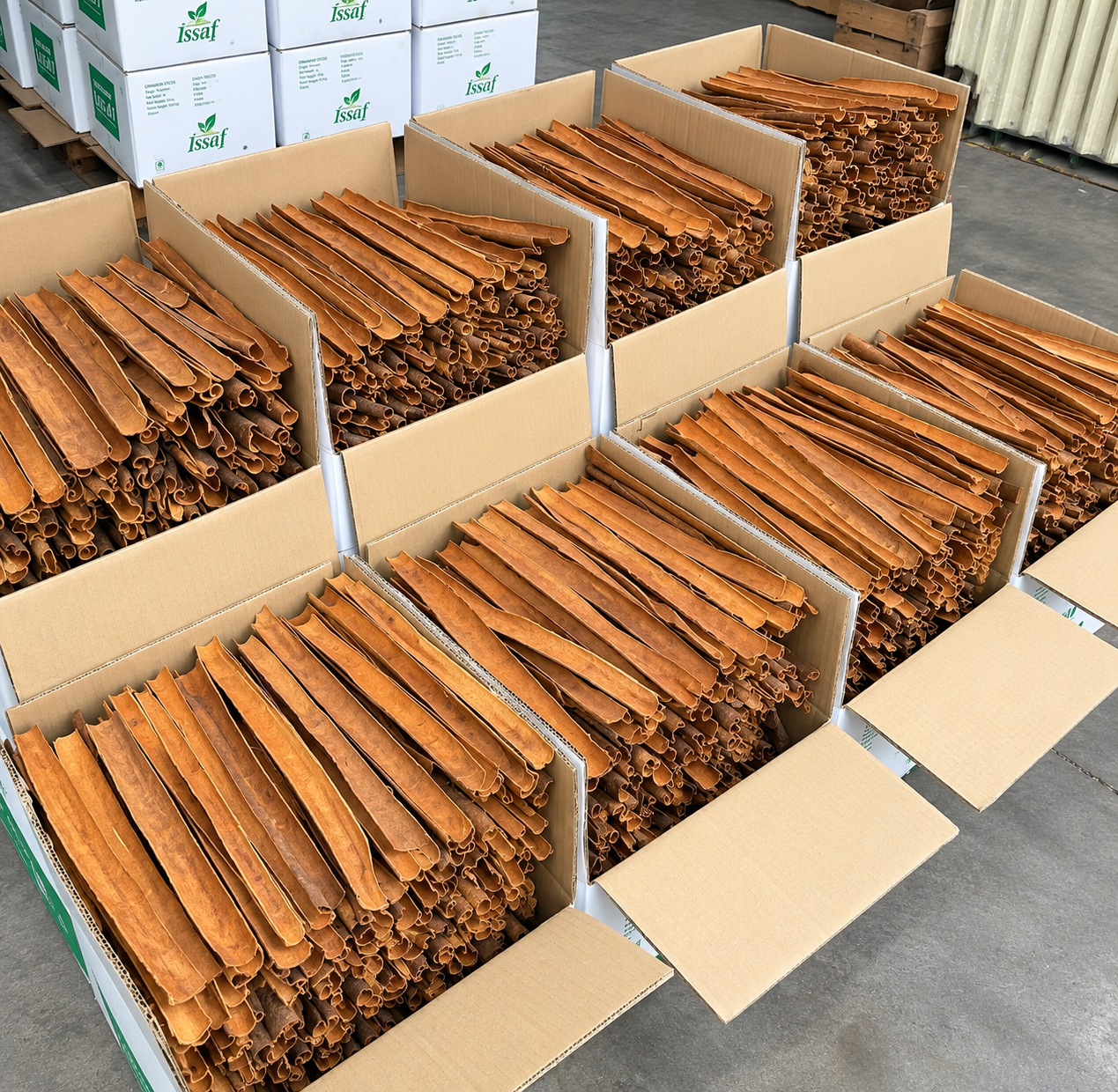
- Clarify Storage Conditions: Warehouses should be dry and well ventilated. Products should be placed on pallets rather than directly against floors or walls, and packaging should provide adequate protection against moisture.
Spice Moisture Content During Sea Freight: Understanding Container Rain
Even when Spice Moisture Content meets the required specifications at the factory, product quality may still be affected during transportation. One common cause is condensation inside shipping containers, also known as container rain.
This phenomenon occurs when humid air inside a container comes into contact with surfaces whose temperature is below the dew point. Water vapor condenses into droplets on the container ceiling or walls, which may then drip onto the packaging and cargo.

The risk often increases when containers pass through different climatic zones with significant temperature variations. In addition to moisture already present in the spices, water vapor may also come from wooden pallets, dunnage materials, packaging, and environmental conditions at the time of loading.
To protect Spice Moisture Content and maintain product quality during transportation, importers should discuss the following preventive measures with suppliers in advance:
-
Check the Dryness of Cargo and Packing Materials: Pallets, packaging, and dunnage materials must be dry before being loaded into the container.
-
Use Desiccants: Select the appropriate type and quantity based on container size, cargo volume, and transportation time.
-
Use Suitable Moisture-Resistant Packaging: Moisture-resistant packaging or container liners can help reduce exposure to moisture from the surrounding environment.
-
Inspect Containers Before Loading: Containers should be clean and dry, with no signs of water leakage or damage that could compromise cargo protection.
What Should Importers Do If Spice Moisture Content Exceeds the Agreed Limit at the Destination Port?
Disputes may arise when Spice Moisture Content test results at the destination port differ from the quality certificate issued at the port of loading. To minimize disagreements, both parties should clarify the following terms in the contract before shipment:
| Item | Terms to Be Clearly Defined |
|---|---|
| Spice moisture limits | Maximum moisture level for each product and any applicable tolerance |
| Testing method | ISO, ASTA, or another method approved by both parties |
| Inspection timing | At the factory, port of loading, or destination port |
| Sampling and inspection | Responsible inspection body, sampling procedure, and sample sealing |
| Retained samples | Quantity, storage conditions, and retention period |
| Arbitration laboratory | Third-party laboratory to be selected if test results differ |
| Claims and resolution | Notification deadline, testing costs, and dispute resolution procedures |
When a quality claim occurs, importers should retain pre-shipment test reports, inspection certificates, and photographs documenting the condition of the cargo and container upon opening.
If the two parties obtain different test results, retained samples or samples collected in accordance with the agreed inspection procedure can be sent to an independent laboratory for further testing. The final resolution should be based on the contract, inspection results, and the actual extent of the quality impact rather than relying on a single test result.
Read more: Understanding Fumigation Requirements for Imported Goods.
Viet Linh Agrimex – Discussing Quality Specifications for Every Spice Export Order
Viet Linh Agrimex supplies Vietnamese spices, including pepper, cinnamon, star anise, dried ginger, dried turmeric, and dried chili, to international importers, distributors, and food processing companies.
Depending on the product and destination market, specifications such as moisture content, foreign matter percentage, and product requirements are discussed and agreed upon for each order. Importers can share their preferred product types, technical specifications, and estimated order volumes so that Viet Linh Agrimex can recommend suitable supply solutions.
Contact Viet Linh Agrimex to discuss your product requirements and find Vietnamese spice supplies that match your company’s procurement plans.
Hotline: +84 345 128 188
Email: cskh@vietlinhagrimex.vn