VIETNAMESE SPICE HARVEST CALENDAR: HELPING IMPORTERS CHOOSE THE RIGHT TIME TO ORDER
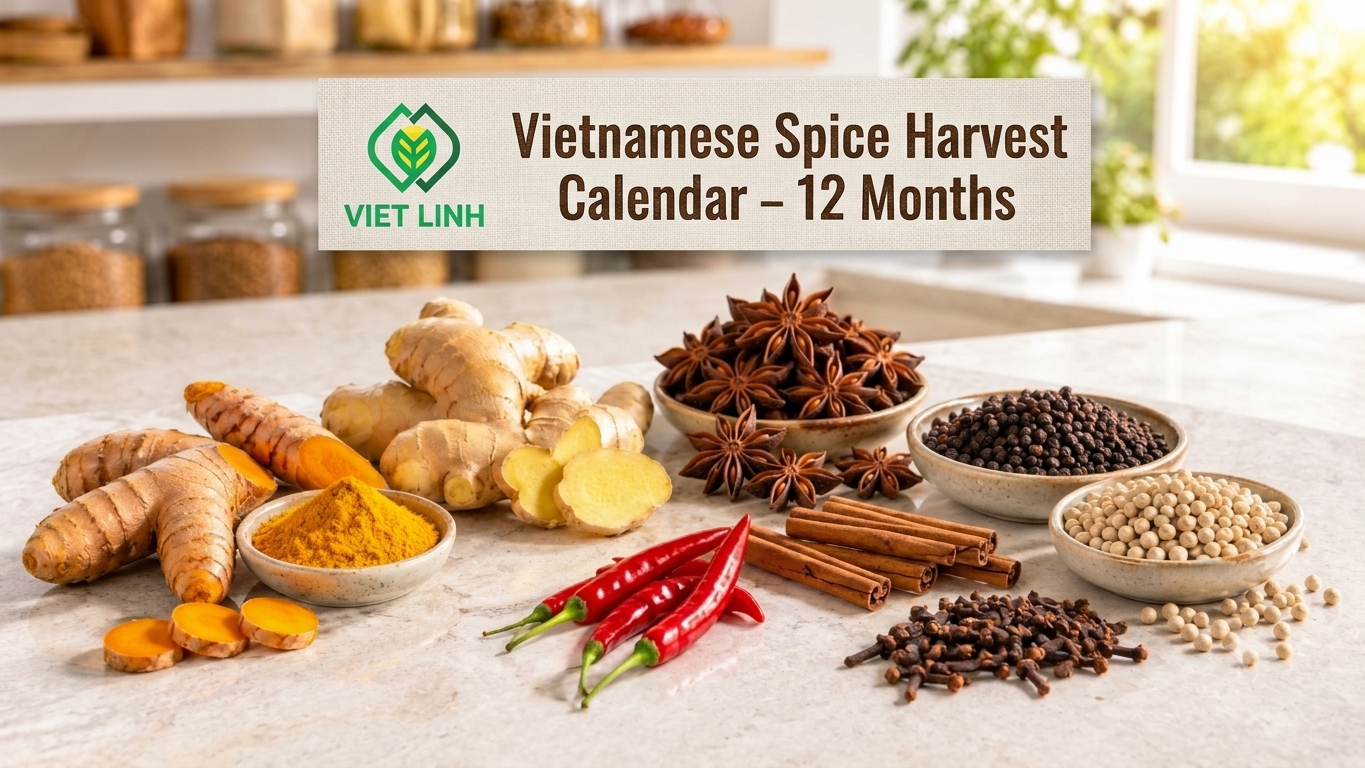
Vietnamese spice harvest calendar helps importers choose the right time to place orders, negotiate prices, and schedule deliveries. Each spice has its own harvest season: pepper harvesting begins shortly after the Lunar New Year, cinnamon is harvested in two periods each year, star anise is concentrated in autumn, while ginger and turmeric are harvested mainly toward the end of the year and early the following year. This article summarizes the reference harvest calendar and key considerations for importing Vietnamese spices.
Why Does Vietnamese Spice Harvest Calendar Affect Prices?
Harvest seasons determine when new supplies enter the market, how much stock is available, and the quality of individual shipments. Within the same year, seasonal spice prices can vary between the beginning, peak, and end of the harvest season. However, prices do not always fall during harvest. Pepper prices rose during the harvest seasons in both 2024 and 2025 due to limited supply, while the 2025 pepper harvest in some areas was delayed by one to two months because of drought. Therefore, the spice harvest calendar should be used for order planning, not as a tool for predicting prices.
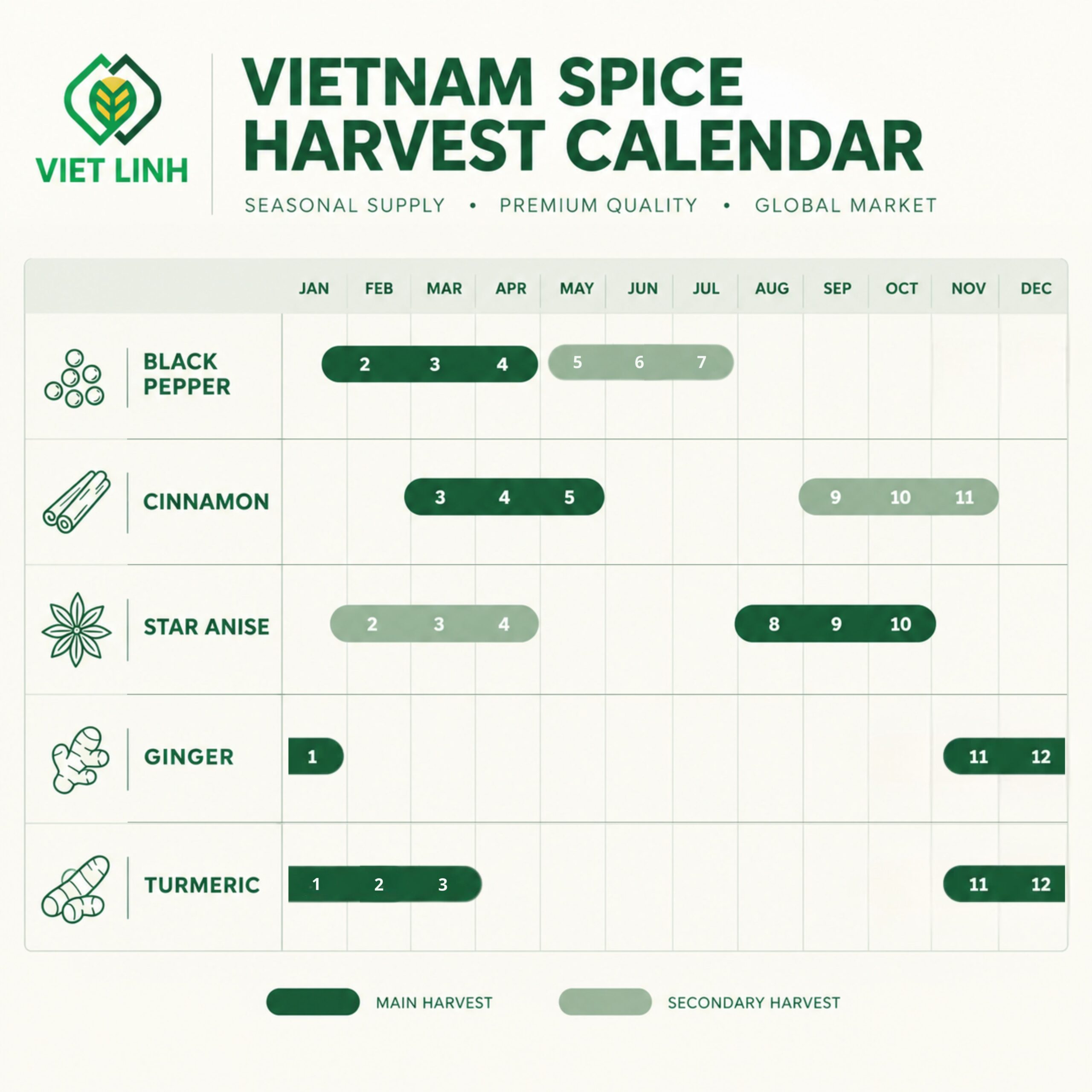
The calendar is for reference only and may vary depending on the growing region and weather conditions each year.
What Importers Need to Know About Each Spice
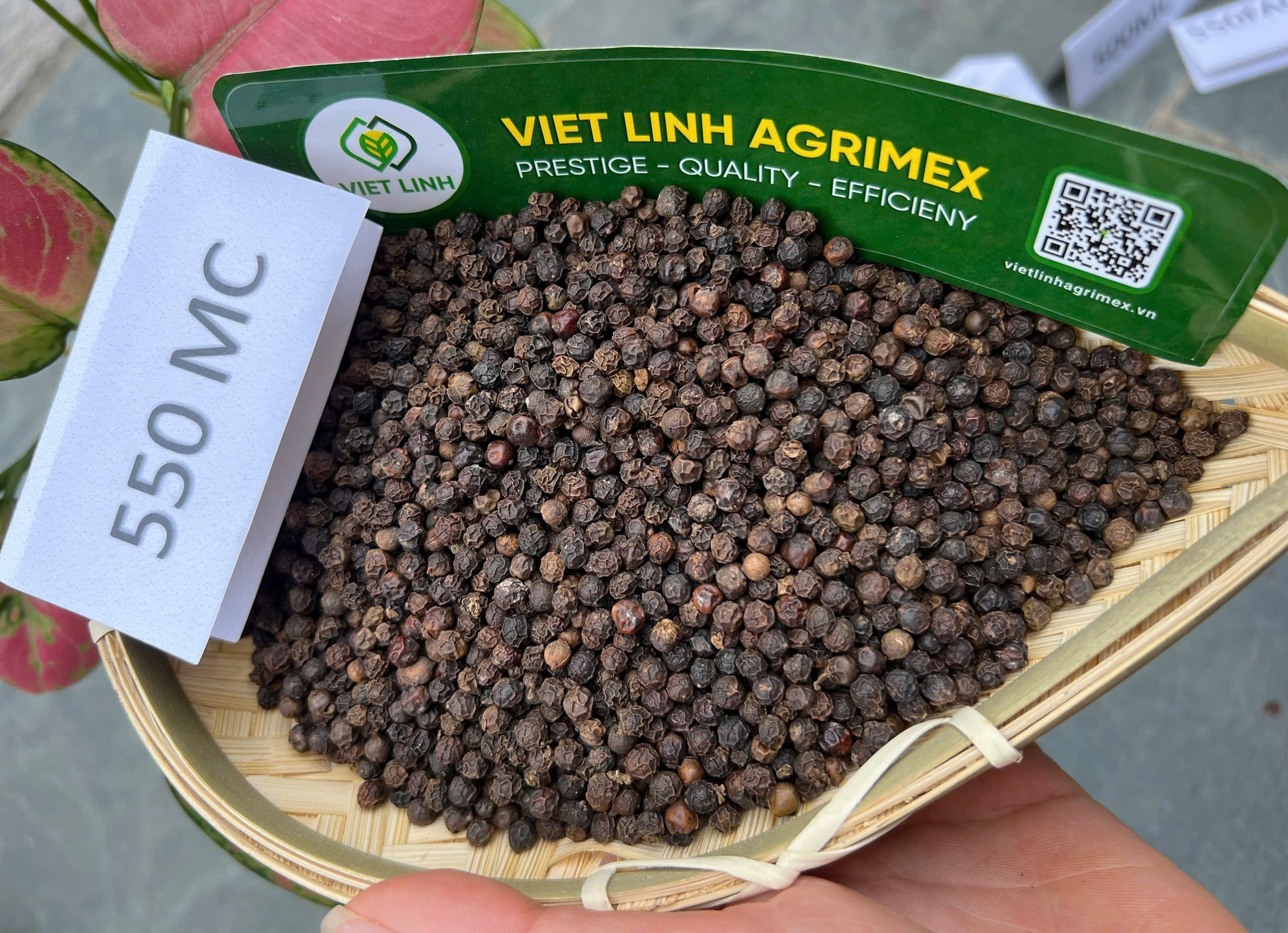
Pepper: New Supplies Enter the Market Shortly After Tet, but Prices Can Rise During Harvest
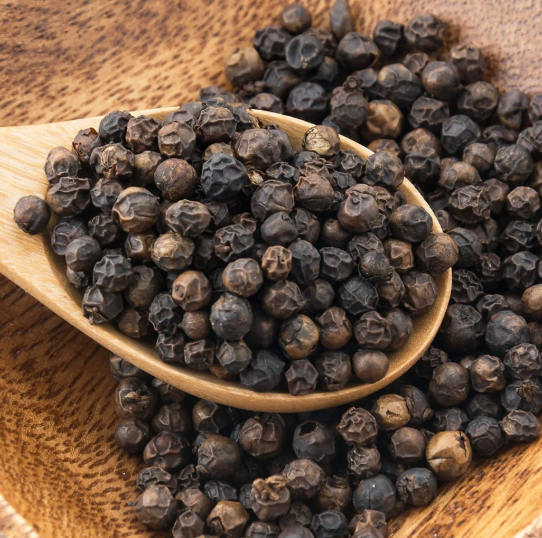
Vietnam’s pepper harvest begins shortly after the Lunar New Year in the Central Highlands and Southeast Vietnam, continuing until around April. This is when newly harvested pepper enters the market. However, if production is affected by weather conditions or growers hold back their stock while waiting for better prices, pepper prices can still rise during the harvest season. Importers should therefore confirm volumes, specifications, and delivery schedules with suppliers one to two months before the harvest to prepare for increased market activity.
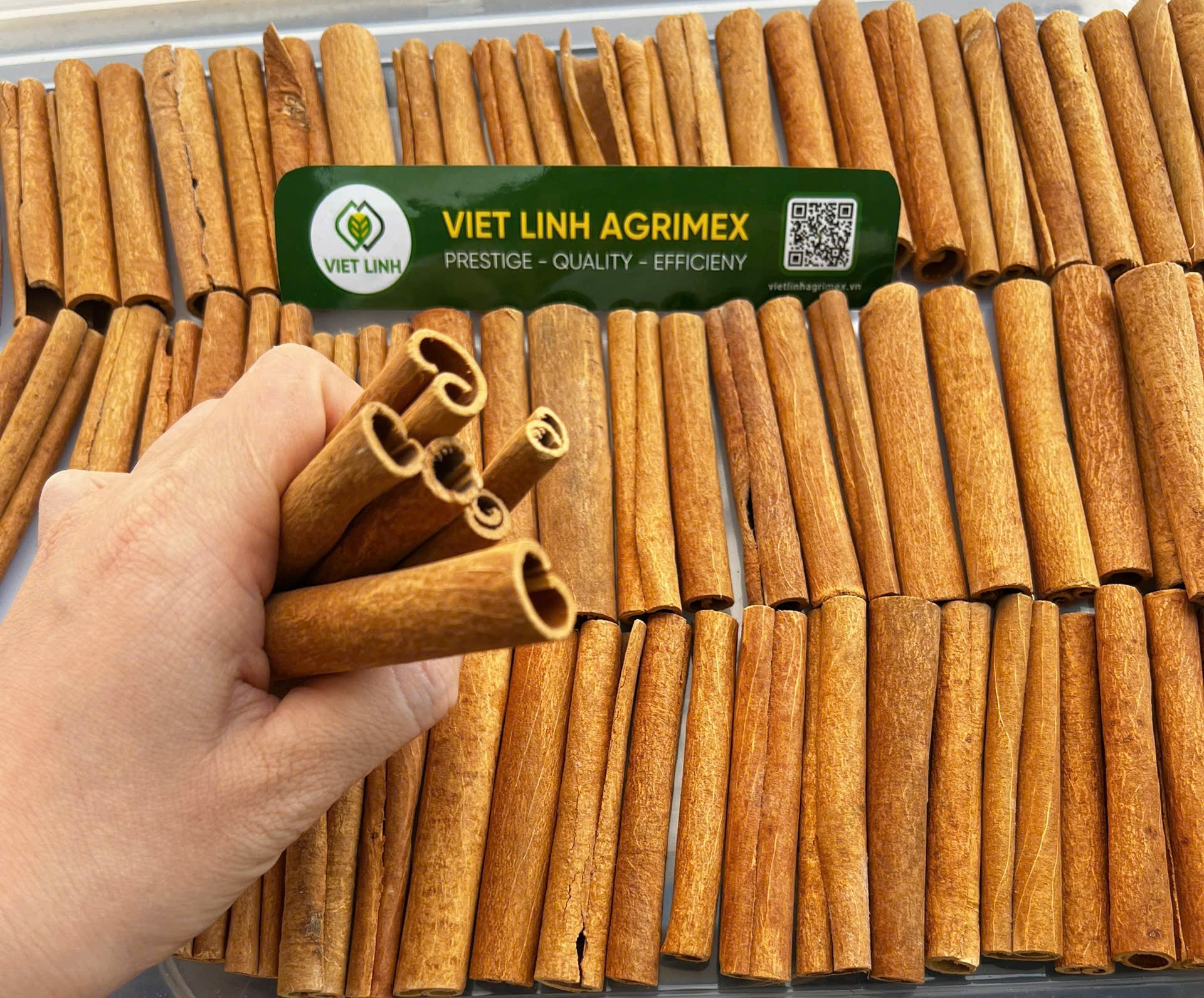
Cinnamon: Two Harvest Seasons, Two Opportunities to Plan Ahead
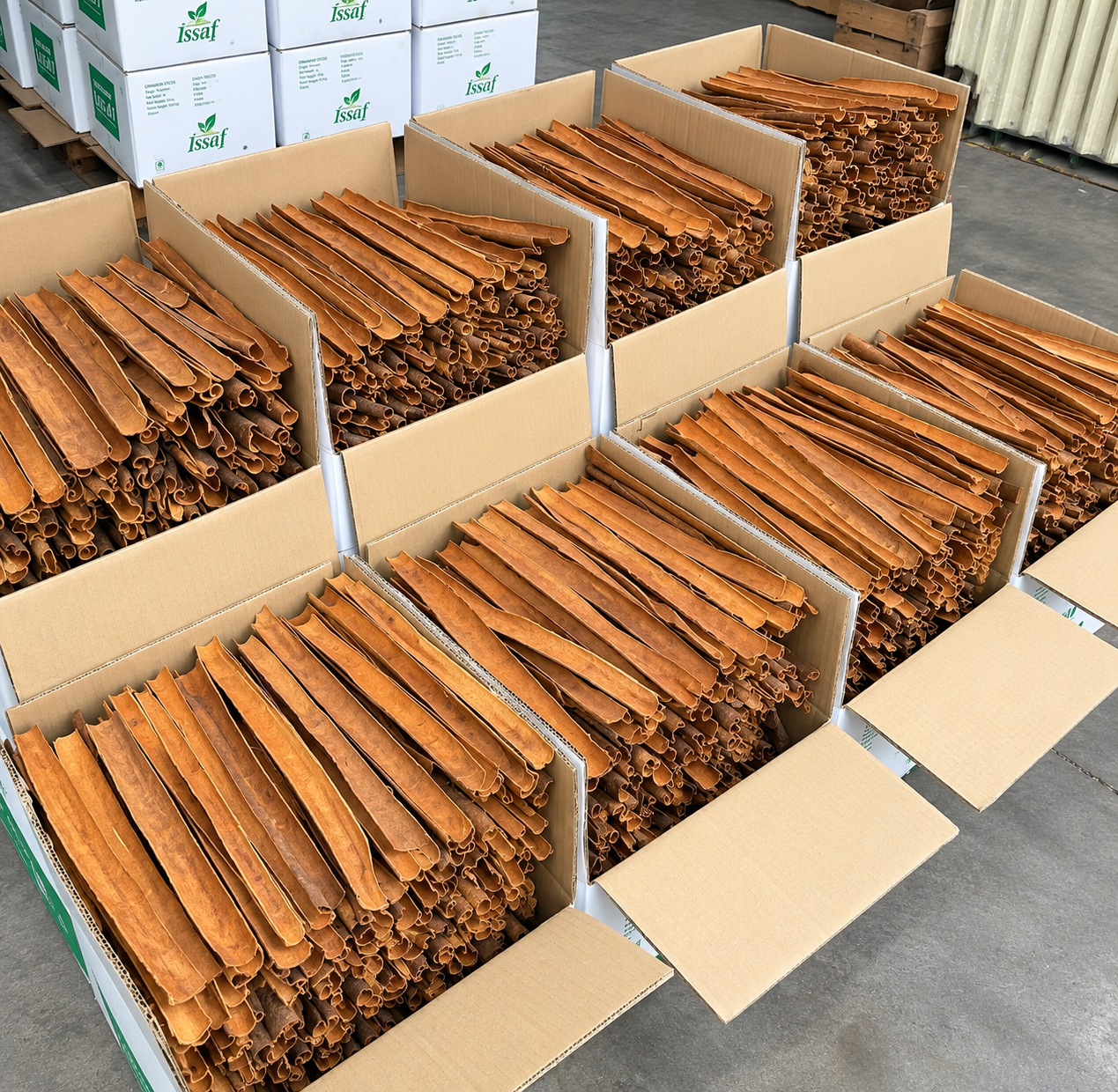
Cinnamon has two harvest periods each year. During the harvest season, the bark is easier to peel and contains abundant essential oil. Outside the harvest season, the bark adheres more tightly to the trunk, making harvesting more difficult. As a result, the quality of finished cinnamon is closely linked to harvest timing.
Read more: Vietnamese Cinnamon Prices in October 2026
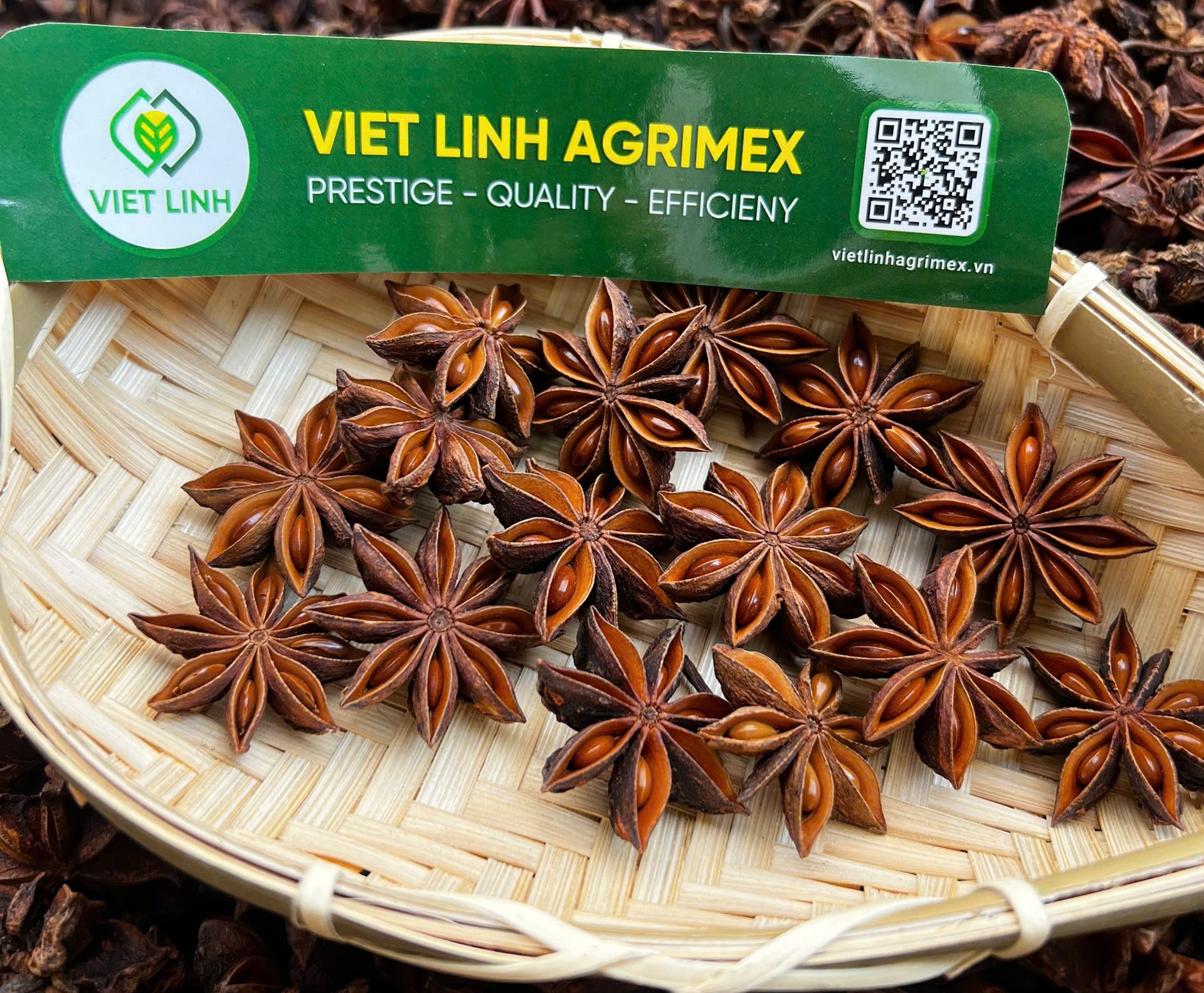
Star Anise: New Supplies Are Concentrated in Q3–Q4
Star anise is generally harvested mainly from August to October, allowing new-season supplies to enter the market during the third and fourth quarters. In 2026, star anise exports accelerated in Q3 as new-season products became available. Estimates based on VPSA data also indicate that the average export price was lower than in the first half of the year.
When requesting quotations, importers should clarify which harvest season the products come from and whether they are newly harvested or carry-over stock. They should also arrange to verify actual product quality rather than relying solely on harvest timing.
Read more: Spring-Harvested vs. Autumn-Harvested Star Anise: How to Identify and Select Quality Supplies
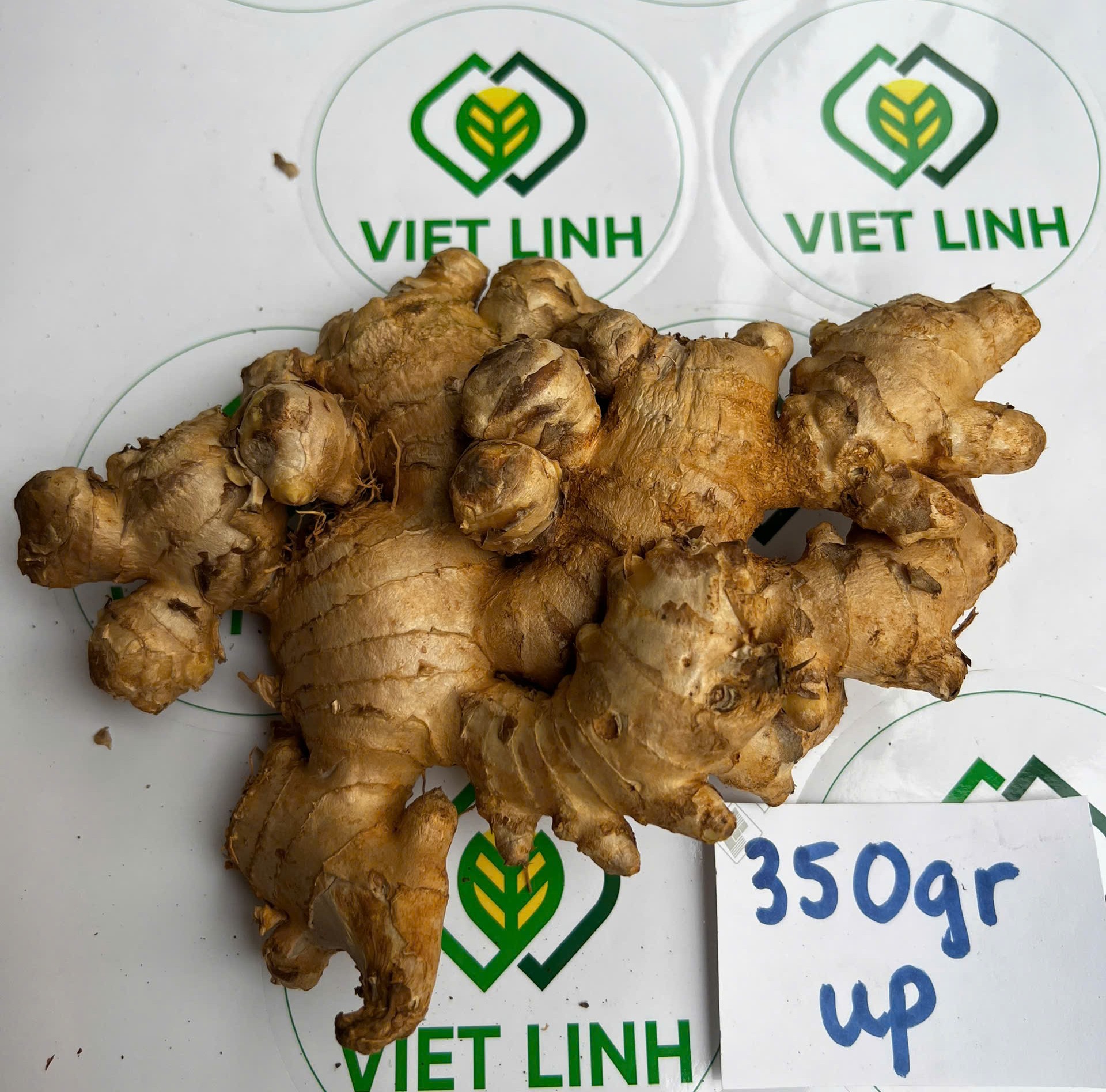
Ginger: The Year-End Harvest Is Linked to Tet Demand
Ginger harvesting is concentrated toward the end of the year, with purchasing volumes generally increasing from the beginning to the peak of the season. Early-harvest ginger and peak-season ginger may differ in maturity, moisture content, and specifications. Importers should therefore discuss their requirements in detail according to the intended application.
Read more: Vietnamese Ginger Prices in September 2026
Turmeric: Harvesting Runs from the End of the Year into Early the Following Year
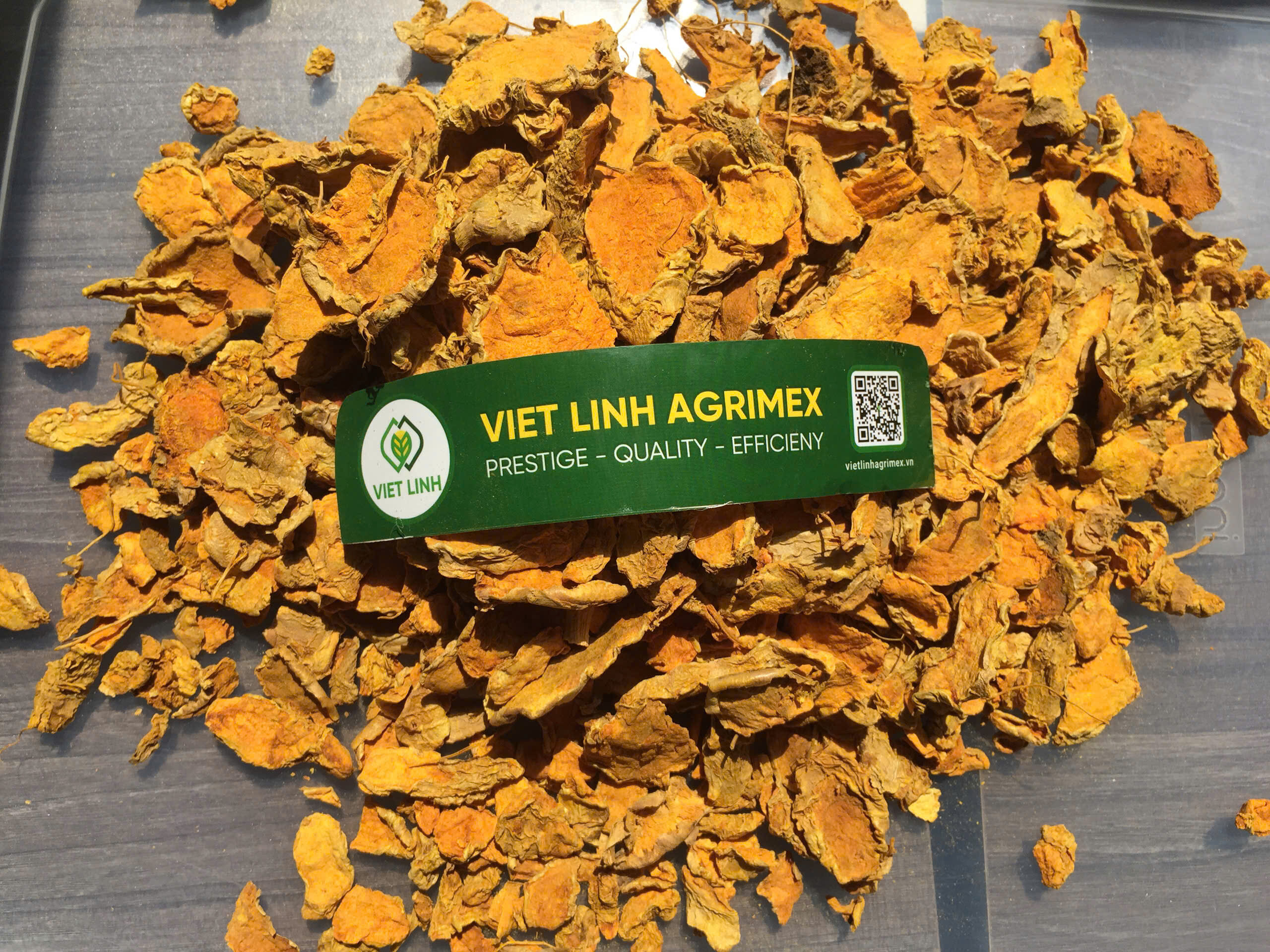
Turmeric harvesting extends from the end of the year into early the following year. Some growing areas have reported high curcumin content in turmeric harvested in December. If an order requires a specific curcumin level, importers should agree on the testing standards and requirements from the outset.
Using Vietnamese Spice Harvest Calendar to Optimize Import Planning
Vietnamese spice harvest calendar indicates when each agricultural product is harvested and when new supplies typically enter the market. For importers, it provides a basis for choosing the right time to place orders rather than purchasing only in response to immediate demand.
The benefits of using Vietnamese spice harvest calendar for import planning include:
-
Planning procurement and maintaining a stable supply: Understanding when each harvest season begins and ends helps importers schedule orders, allocate budgets, and build appropriate raw material inventories for the off-season. This can reduce the risk of supply shortages, ease the pressure to find alternative suppliers, and support stable production and business operations throughout the year.
-
Engaging with suppliers earlier: Importers have more time to agree on volumes, quality requirements, and prices, compare supply options, and prepare for large orders.
Note: The harvest calendar should be used as a planning reference only. Actual harvest dates may vary according to weather conditions and growing regions. Importers should reconfirm progress with suppliers before finalizing orders.
Viet Linh Agrimex: Your Vietnamese Agricultural Export Partner
Viet Linh Agrimex is a bulk supplier of Vietnamese agricultural products, with years of experience working with international importers. We understand that every order has specific requirements for product specifications, quality, packaging, and delivery schedules. We are always ready to discuss these requirements in detail and propose solutions suited to each harvest season.
If your business is planning to import pepper, cinnamon, star anise, ginger, or turmeric from Vietnam, contact us for sourcing advice and a quotation tailored to your specific requirements.
-
Hotline: +84 345 128 188
-
Email: cskh@vietlinhagrimex.vn