COCONUT HSN CODE IN INDIA: HSN CODE AND IMPORT GUIDE FROM VIETNAM
COCONUT HSN CODE IN INDIA: HSN CODE AND IMPORT GUIDE FROM VIETNAM
For Indian businesses importing coconuts from Vietnam, identifying the correct HSN code is one of the steps to complete before preparing documents and making customs declarations. The product code is not only used for goods classification but is also relevant to import policies, documentation requirements, phytosanitary requirements, and shipment cost calculations.
In India, coconuts are classified under Chapter 08 – Edible Fruit and Nuts, with Heading 0801 covering coconuts, Brazil nuts, and cashew nuts, whether fresh or dried. For coconuts, the 8-digit HSN code is further classified according to the condition and form of the product.
HSN Code for Fresh Coconuts in India
Under India’s ITC-HS system, Heading 0801 is divided into different subheadings based on the form of the coconut. These include:
08011210 – Fresh: Fresh coconuts classified as coconuts with the inner shell (endocarp).
08011910 – Fresh: Fresh coconuts classified under “other”, meaning products that do not fall under the category of coconuts with the inner shell.
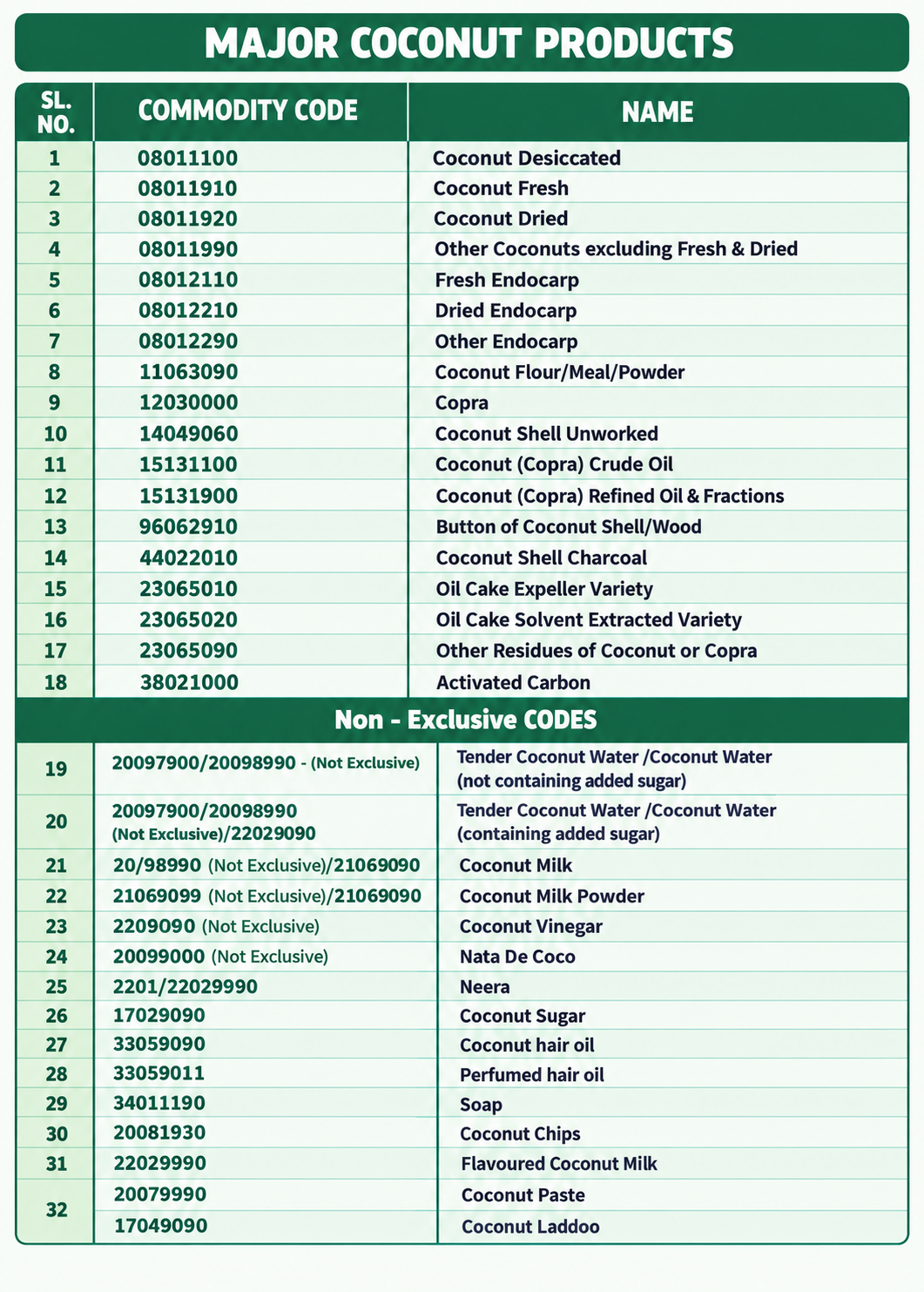
Therefore, businesses should not assume that all fresh coconut products use a single HSN code. The appropriate code should be determined based on the actual condition, form, and classification of the goods under the regulations currently applicable in India.
This is also why businesses should confirm the expected HSN code with a customs broker or the competent customs authority before making the official customs declaration.
What Role Does HSN Play in the Coconut Import Process?
HSN provides the basis for determining how a product is classified within the customs system. For a shipment of coconuts imported from Vietnam, identifying the appropriate code helps businesses check the relevant requirements before the goods are declared.
Customs Declaration and Import Policy
The HSN code is used in customs declarations and helps businesses check the policies, conditions, and specialized requirements applicable to the product.
Checking Taxes and Import Costs
HSN is one of the key pieces of information required when calculating costs associated with the import process and determining the landed cost before finalizing the purchase price.
Checking Documentation and Phytosanitary Requirements
Identifying the correct product category helps businesses review the documents and phytosanitary requirements that may apply to a coconut shipment, while also minimizing inconsistencies between the actual goods and the accompanying documentation.
Using HSN for Coconut Market Research
Businesses can also use HSN codes to search for and analyze trade transaction data, including supplier countries, trading companies, volumes, values, and ports of entry. This provides useful reference information when evaluating supply sources before selecting a supplier.
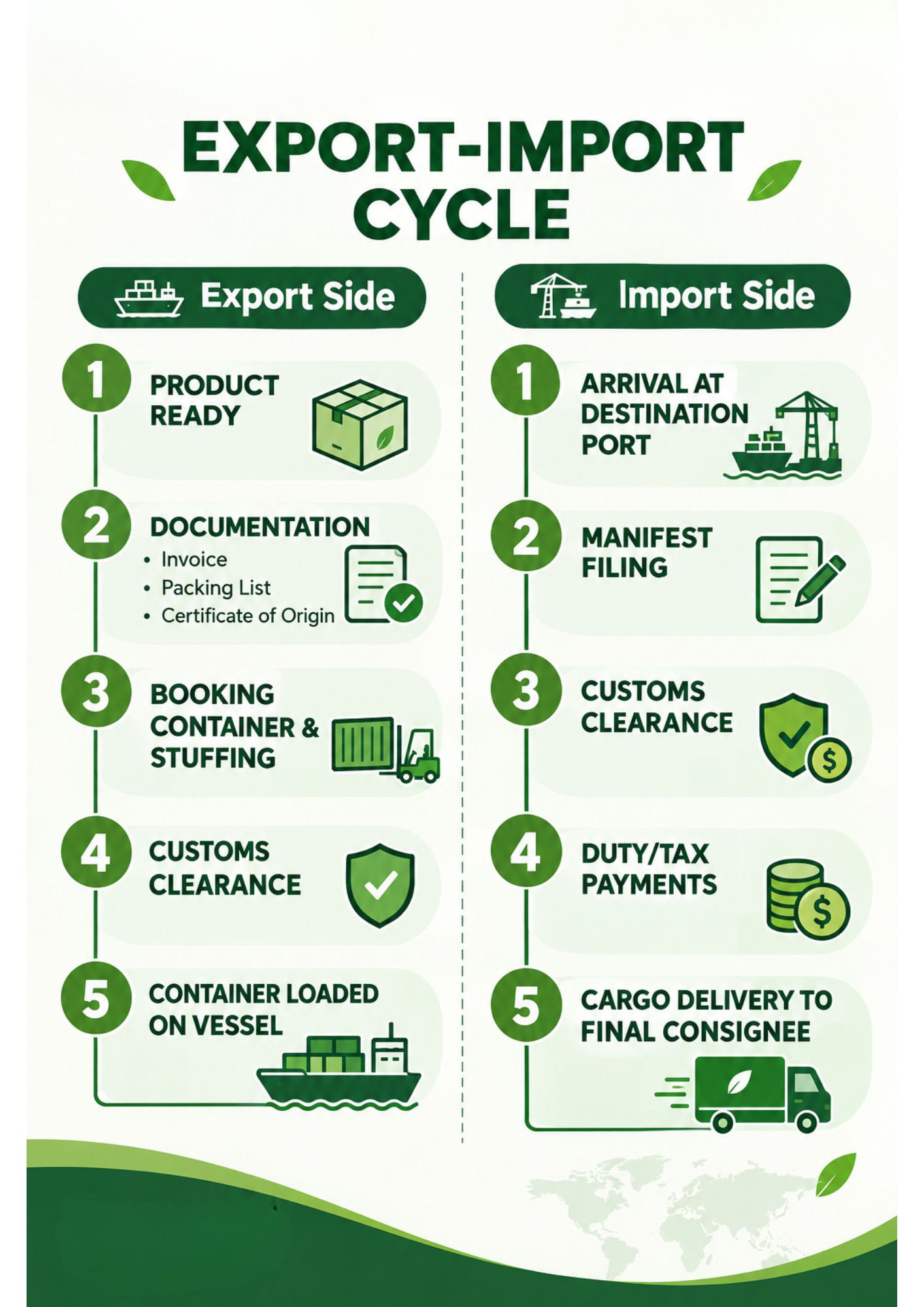
Importing Coconuts from Vietnam to India: Step-by-Step Guide
Step 1: Identify the Product Form and Expected HSN Code
For fresh coconuts, businesses may need to consider classifications such as 08011210 and 08011910, depending on the actual characteristics of the goods.
Step 2: Check Applicable Import Requirements
Check the current import policy, phytosanitary requirements, and other regulations applicable to fresh coconuts imported into India.
Step 3: Confirm Shipment Specifications with the Supplier
Agree on the quantity, weight, packing specifications, shipping method, destination port, and commercial terms such as FOB, CFR/CNF, or CIF.
For fresh coconuts, the transportation time and shipping conditions should also be planned according to the product’s shelf life.
Step 4: Prepare the Required Documentation
The documentation may include:
- Commercial Invoice
- Packing List
- Transport documents
- Certificate of Origin (C/O)
- Phytosanitary Certificate
- Other documents required under the regulations currently in force
Step 5: Cross-Check All Information Before Declaration
Ensure consistency between the actual goods and the documentation regarding product name, coconut form, HSN code, quantity, weight, packing specifications, and Vietnamese origin.
After completing the review, businesses should confirm the HSN code with a customs broker or competent customs authority in India.
Reference Information on Vietnamese Coconuts
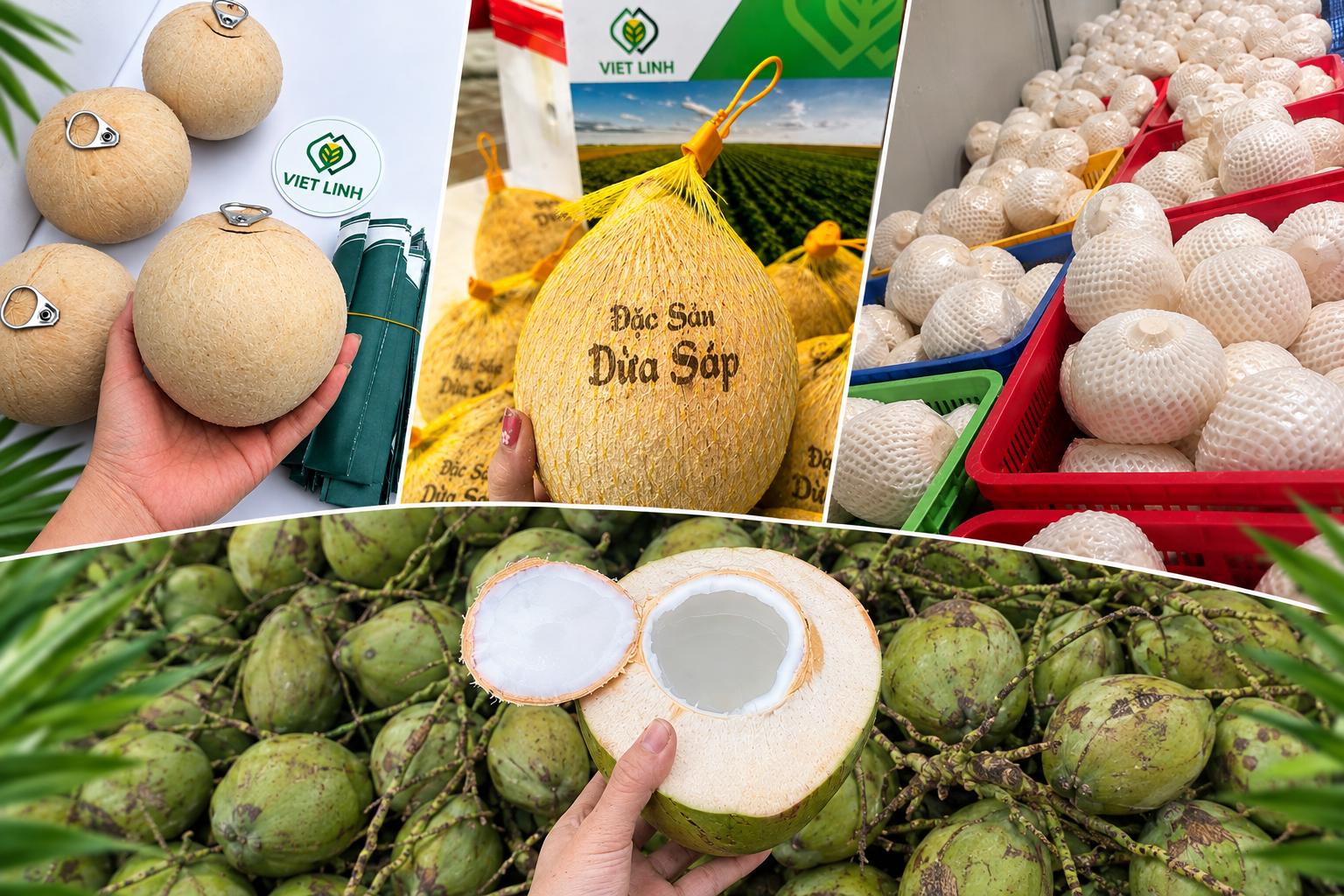
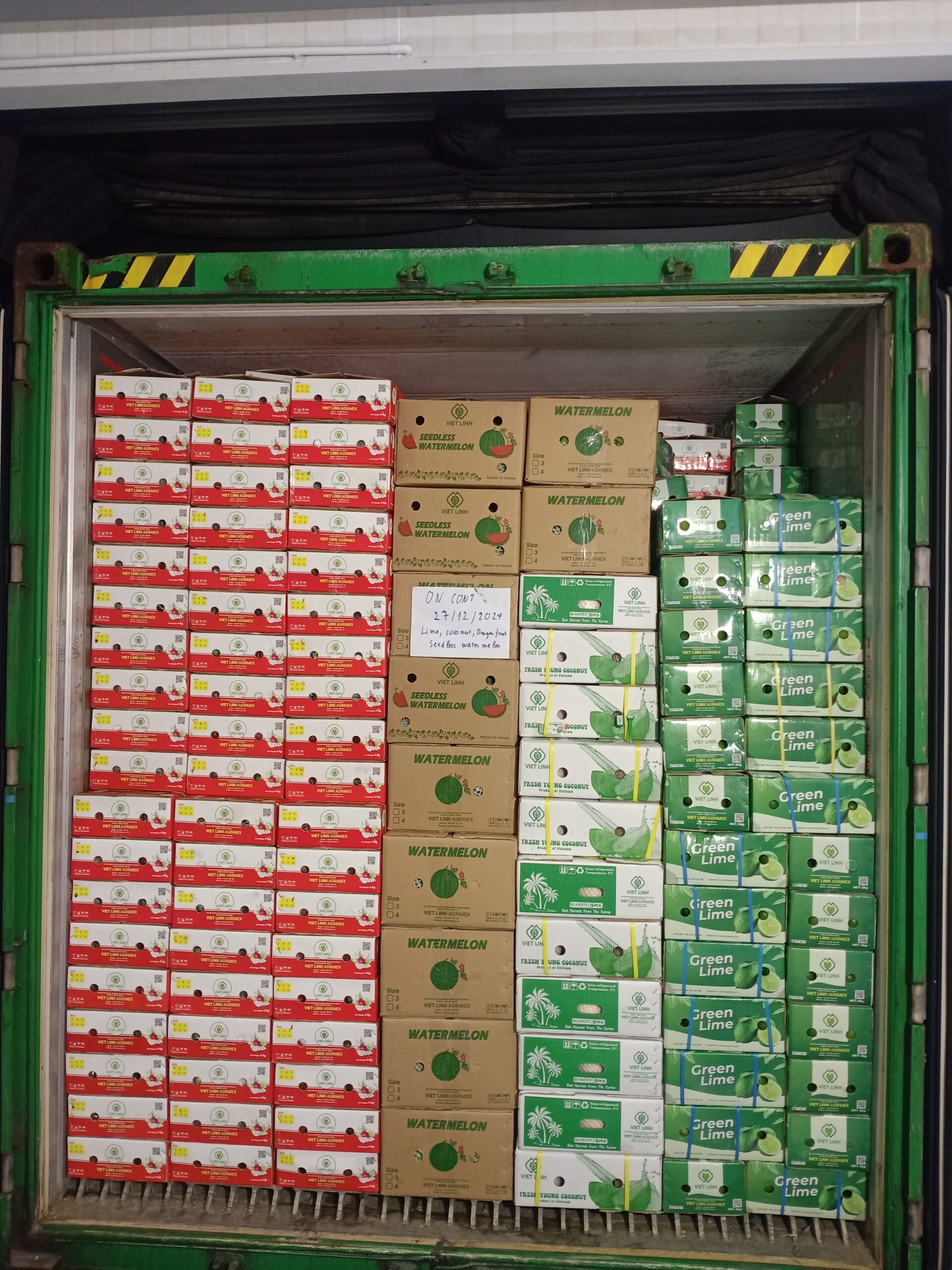
For businesses researching Vietnamese coconut sources, the following product information can be used for initial discussions with suppliers:
- Shelf life: 60–70 days under refrigerated storage conditions; year-round supply.
- Classification and weight: Diamond cut or push-press from 800g+; Grade 1 green coconuts from 1.2kg+; white/mature coconuts from 500g+; dried coconuts 800–1,200g; Brix 7+.
- Packing: 9 / 10 / 11 / 12 / 16 kg cartons; 25–50 kg bags depending on packaging requirements.
- Transportation and market: Sea freight or air freight.
- Origin: Vietnam.
Important Note When Determining the HSN Code
An HSN code appearing in trade transaction data or being used for a specific shipment should not be considered the default code for all coconut products.
Even for fresh coconuts, classification may depend on the condition and characteristics of the goods.
Therefore, before making an official customs declaration, businesses should review the following sequence:
Actual product → Product description → Expected HSN code → Import policy → Phytosanitary requirements → Documentation
The final classification should then be confirmed with a customs broker or competent authority in India.
Sourcing Vietnamese Coconuts for the Indian Market
If your business is looking for Vietnamese coconut supplies after completing its HSN and import requirement research, Viet Linh Agrimex can provide products, specifications, packaging options, and delivery solutions according to the requirements of each import program.
See also: [Vietnamese Coconut Supplier for the Indian Market – B2B Supply]