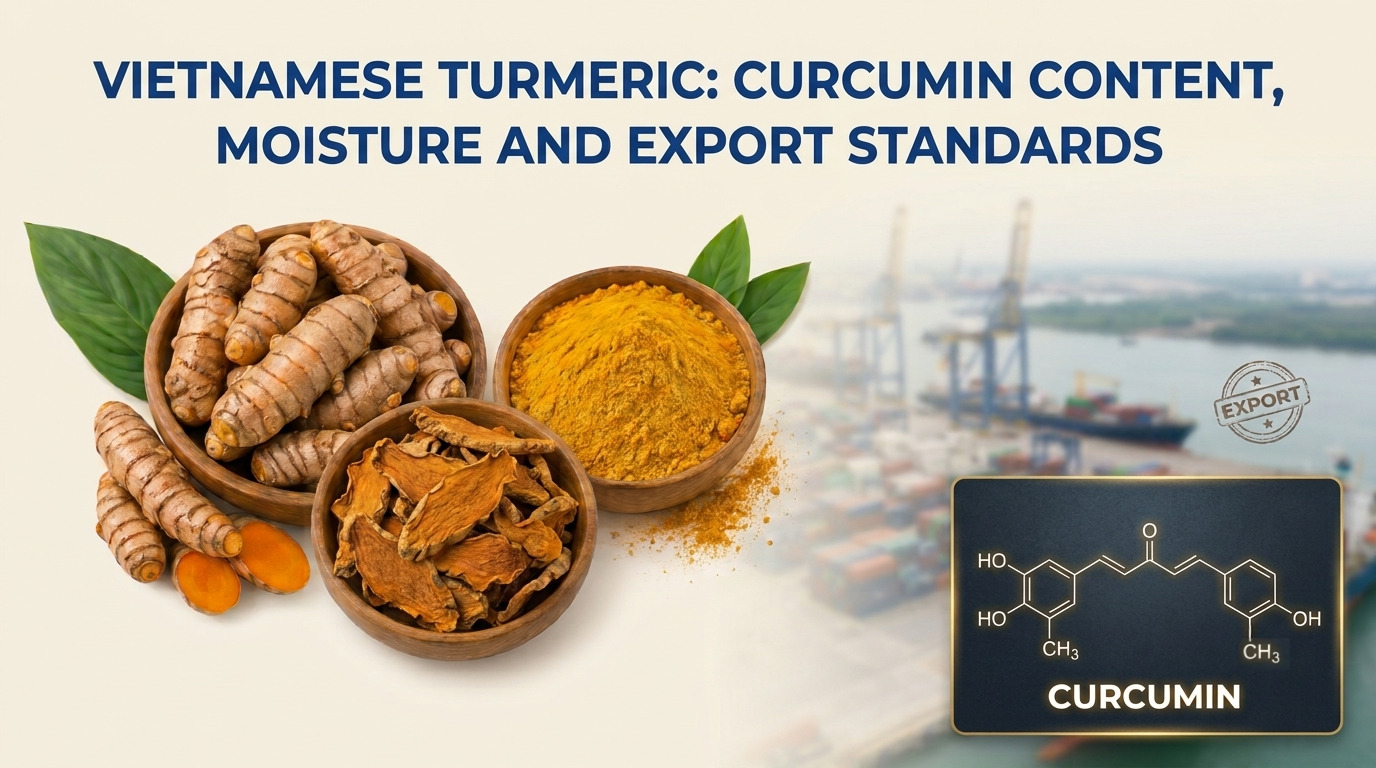
VIETNAMESE TURMERIC: CURCUMIN CONTENT, MOISTURE CONTENT, AND EXPORT STANDARDS
Export-grade dried turmeric and turmeric slices are generally evaluated against a set of technical specifications, with curcumin being the most important parameter, followed by moisture content, foreign matter, and several additional quality indicators. This article explains the relationship between harvest seasons and turmeric quality, while outlining the key specifications importers should consider before purchasing.
Curcumin Content: A Key Quality Indicator for Turmeric
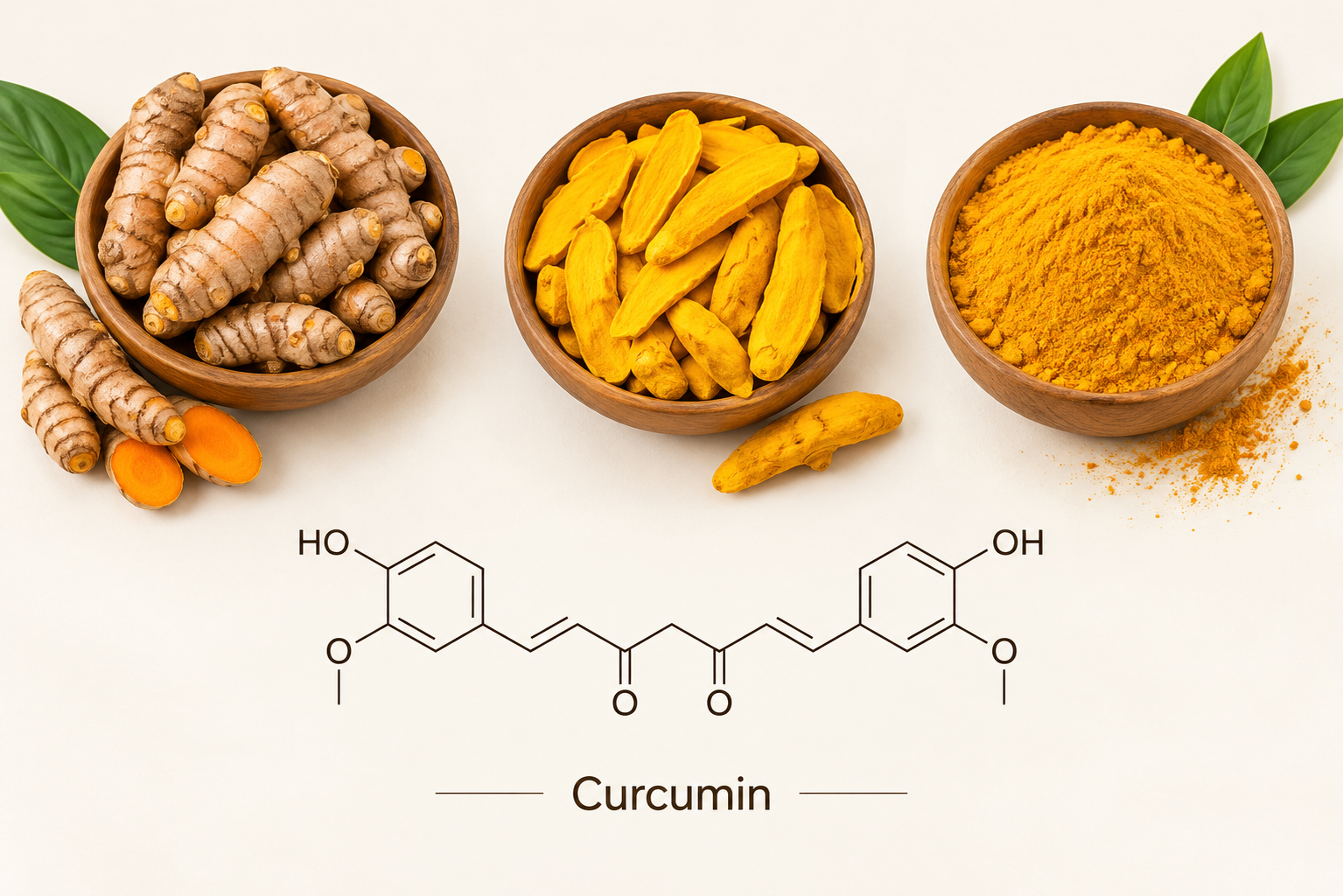
Curcumin is a natural bioactive compound responsible for turmeric’s characteristic yellow-orange color and is the most important active compound in turmeric rhizomes. It accounts for the largest proportion of the curcuminoid group, which consists of curcumin, demethoxycurcumin, and bisdemethoxycurcumin. For importers, curcumin content in turmeric affects the color and application value of a shipment, making it an important parameter to specify in import and export contracts.
-
Requirements by application: Turmeric used as a spice or coloring agent may be required to contain approximately 1–2% curcumin, while raw materials intended for extraction may require levels of 3–5%. Actual requirements depend on the intended application and the buyer’s specifications.
-
Testing methods: HPLC is commonly used to determine curcumin content. Spectrophotometric measurement at a wavelength of 425 nm is also applied under certain commercial standards. Results may vary between methods, so the testing method should be clearly agreed upon before signing a contract.
-
Basis for calculating results: Importers should establish whether curcumin content is measured on a dry-weight basis or as received to avoid discrepancies when comparing different shipments, as sample moisture content can affect the results.
Harvesting Time and Curcumin Accumulation
In many growing areas across Vietnam, December is a common harvest period for turmeric planted at the beginning of the year. By this stage, turmeric rhizomes may reach an appropriate level of maturity after approximately 7–10 months of growth, providing favorable conditions for curcumin and essential oil accumulation.
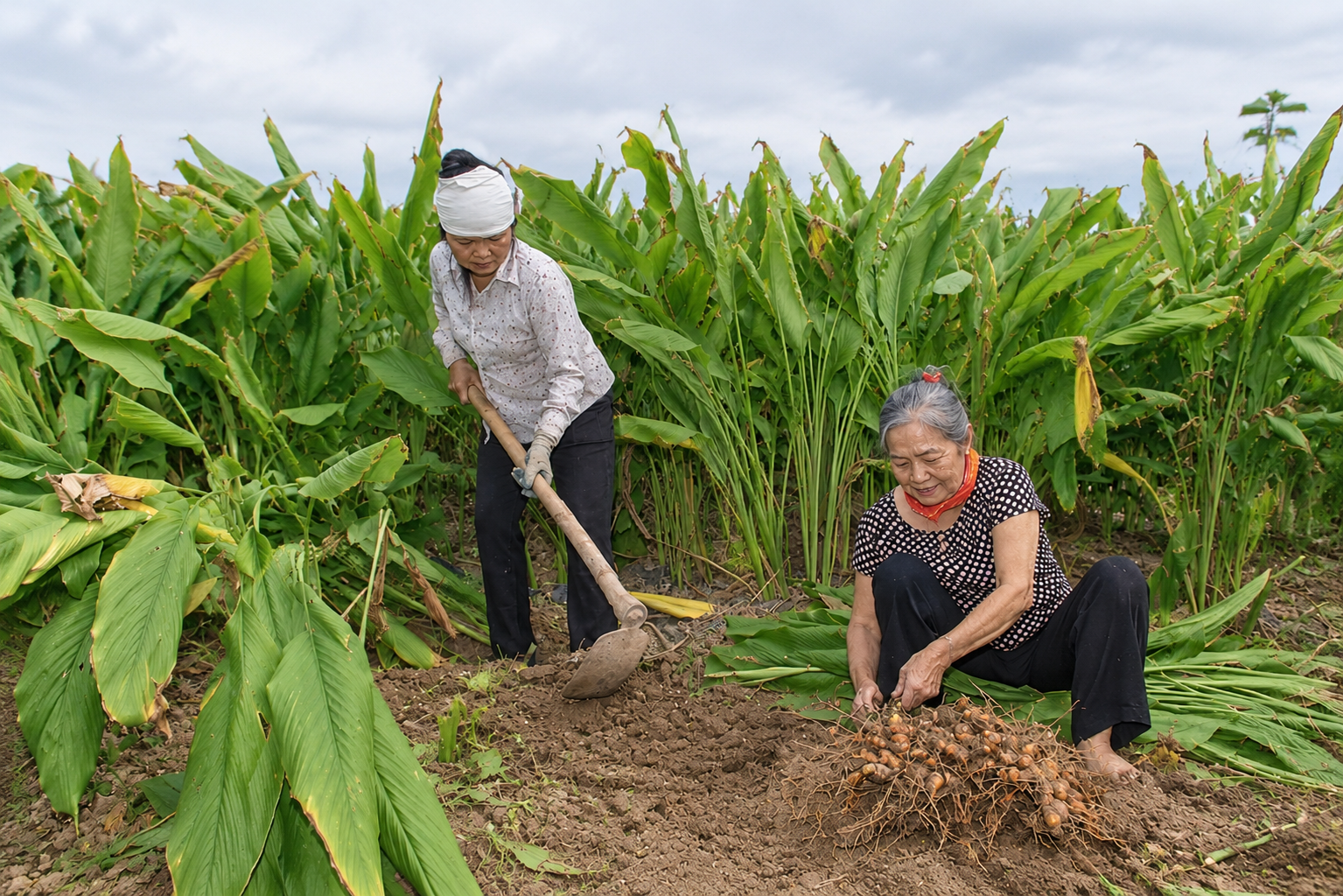
However, curcumin content does not depend solely on harvest timing. It is also influenced by turmeric variety, growing conditions, and rhizome maturity. Harvesting too early may mean that the rhizomes have not reached an appropriate stage of development, affecting yield and certain quality characteristics. Conversely, harvesting too late may also result in a decline in total curcumin content.
Harvest timing is only one part of the equation. The following three factors also contribute to differences in curcumin content between shipments:
-
Growing region: A 2021 HPLC survey of yellow turmeric samples from six locations in Vietnam recorded considerable variation in curcumin content, ranging from approximately 0.3% to 4.8%. The findings indicate that differences in growing conditions across regions can significantly affect the composition of active compounds.
-
Turmeric variety: Different varieties have different curcumin accumulation levels.
-
Post-harvest processing: Turmeric is commonly steamed or boiled before being dried. Excessive heat treatment may reduce curcumin content, while uneven drying can leave excessive moisture in the product.
What Should Importers Consider When Sourcing High-Curcumin Turmeric?
The harvest calendar helps importers identify suitable periods to begin sourcing and discussing requirements with suppliers, but it cannot replace quality testing. For orders with specific curcumin requirements, businesses should agree on the target content, testing method, and calculation basis (dry-weight basis or as-received basis) from the outset. Actual test results for each shipment are the basis for confirming its curcumin content.
What Specifications Should Be Controlled for Export-Grade Dried Turmeric?
In addition to curcumin, the following three groups of specifications directly affect the quality and usability of dried turmeric:
1. Moisture Content
Moisture content in whole dried turmeric rhizomes is generally controlled at no more than 12%. Excessive moisture increases the risk of mold growth, particularly during sea freight and long-term storage. Turmeric slices must also be dried to the required moisture level and packed in sealed packaging to prevent moisture reabsorption.
2. Foreign Matter and Raw Material Condition
Dried turmeric should be free from soil, sand, mold, live insects, and unusual odors. Foreign matter may be limited to a maximum of 0.5% by weight under certain reference standards. For turmeric slices, additional controls should cover the proportion of broken slices and fragments, as well as size uniformity.
3. Food Safety Parameters
Depending on the destination market and intended application, shipments may need to comply with limits for pesticide residues, heavy metals, aflatoxins, and microbiological contaminants. These parameters are particularly important for raw materials intended for food processing.
Whole Dried Turmeric vs. Turmeric Slices: Which Form Should You Choose?
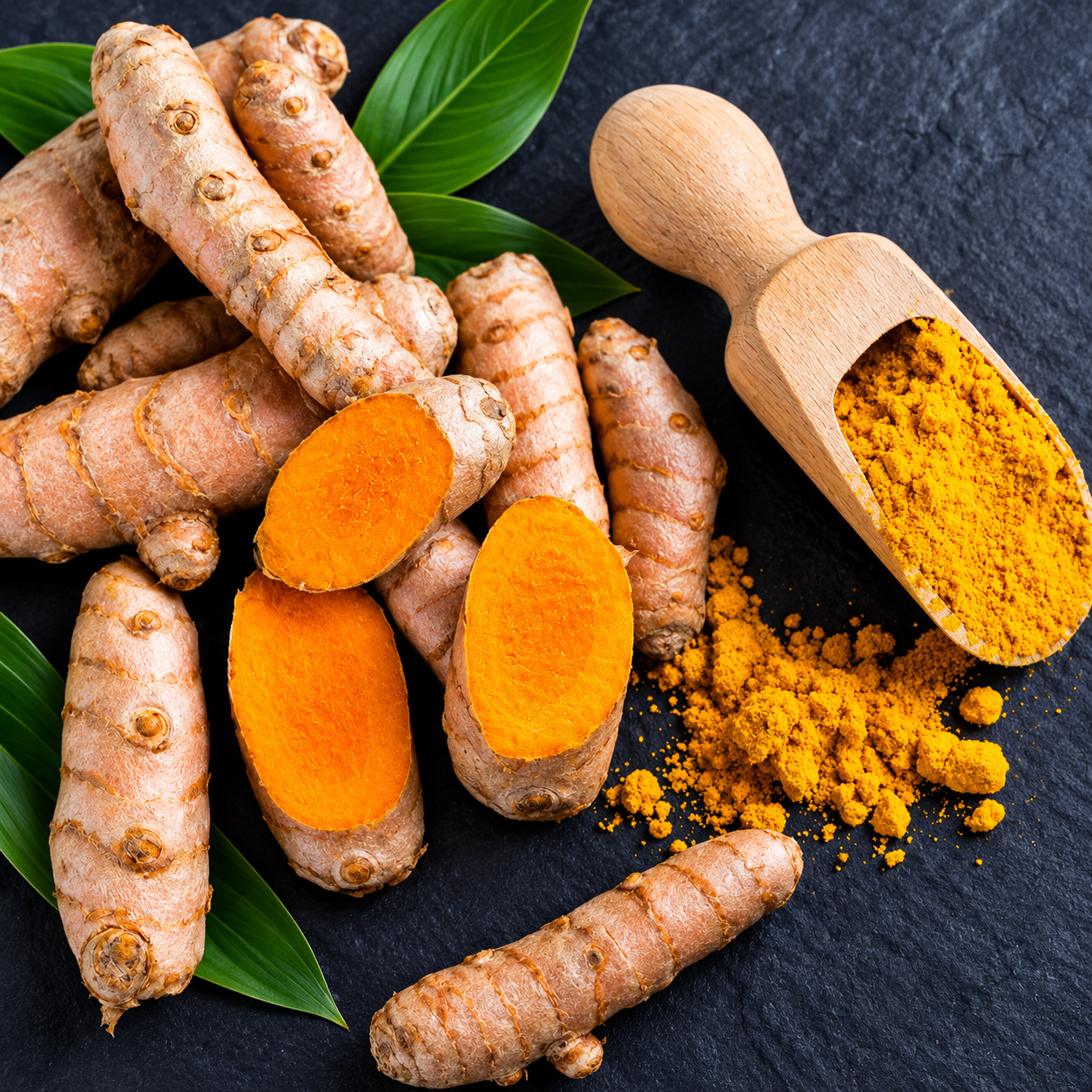
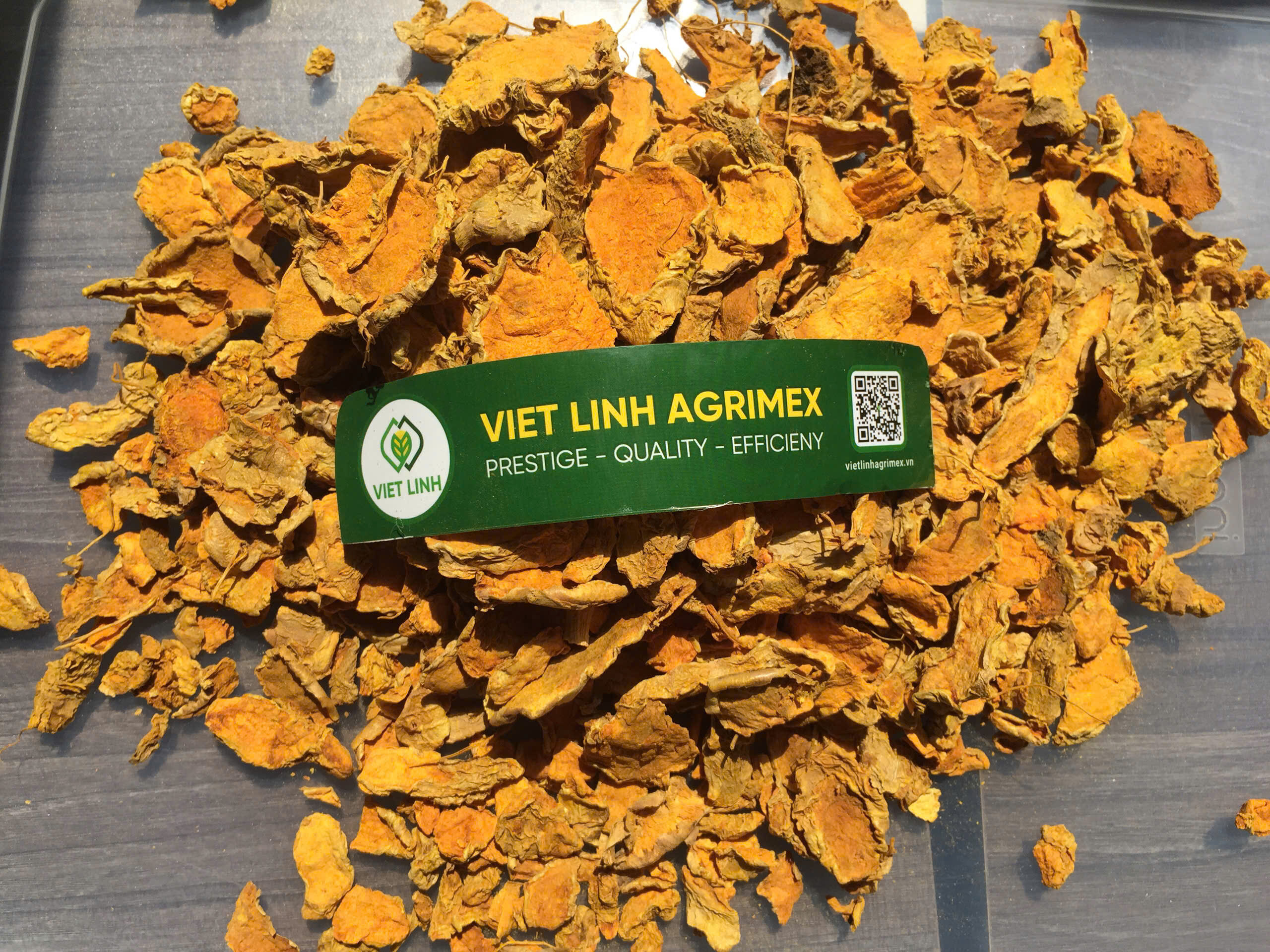
Whole dried turmeric is suitable for orders requiring rhizomes to retain their original shape after preliminary processing. Turmeric slices are cut into individual pieces, making them convenient for grinding, extraction, or further processing, depending on the manufacturer’s requirements.
When selecting a product, importers should clearly specify:
-
Product form: whole dried turmeric or turmeric slices.
-
Size, slice thickness, and acceptable percentage of broken pieces.
-
Requirements for color, characteristic aroma, and cleanliness.
-
Limits for moisture content, curcumin, and food safety parameters.
-
Packaging specifications, weight per bag, and transportation conditions.
Agreeing on these requirements from the beginning helps minimize discrepancies between approved samples, delivered goods, and the importer’s raw material standards.
Viet Linh Agrimex – Dried Turmeric Supply Tailored to Export Requirements
Viet Linh Agrimex supplies Vietnamese dried turmeric and turmeric slices for commercial orders, food processing, and manufacturing. Products are controlled in accordance with export quality requirements, with product specifications discussed flexibly according to intended applications and destination market requirements.
Importers can choose between whole dried turmeric and sliced turmeric, while specifying their desired parameters for curcumin content, moisture, foreign matter, slice dimensions, packaging, and order volume.
Is your business looking for a reliable source of dried turmeric from Vietnam? Contact Viet Linh Agrimex to receive product information and discuss the requirements for your order.