PEPPER IMPORTS PHILIPPINES: WHICH SUPPLY SOURCES SHOULD IMPORTERS CHOOSE?
When sourcing pepper imports into the Philippines, buyers have several exporting countries to choose from. However, beyond supply volumes, each origin has its own characteristics in terms of quality, flavor, and product varieties. This article examines the structure of Philippine pepper imports, compares the main supply sources, and highlights the advantages of Vietnamese pepper to help importers make more informed decisions when selecting suitable suppliers.
1. Major Supply Sources for Pepper Imports to the Philippines
According to World Bank WITS/UN Comtrade data, in 2025, the Philippines imported approximately USD 46.5 million worth of pepper, equivalent to more than 9,000 tons, across two HS code categories: HS 090411 (whole pepper) and HS 090412 (crushed or ground pepper).
Among these suppliers, Vietnam ranked first, with a total export value of approximately USD 41.84 million, accounting for nearly 90% of the Philippines’ pepper import value. The next major supply sources included Brazil, India, Indonesia, and Malaysia, although their respective shares were considerably smaller.
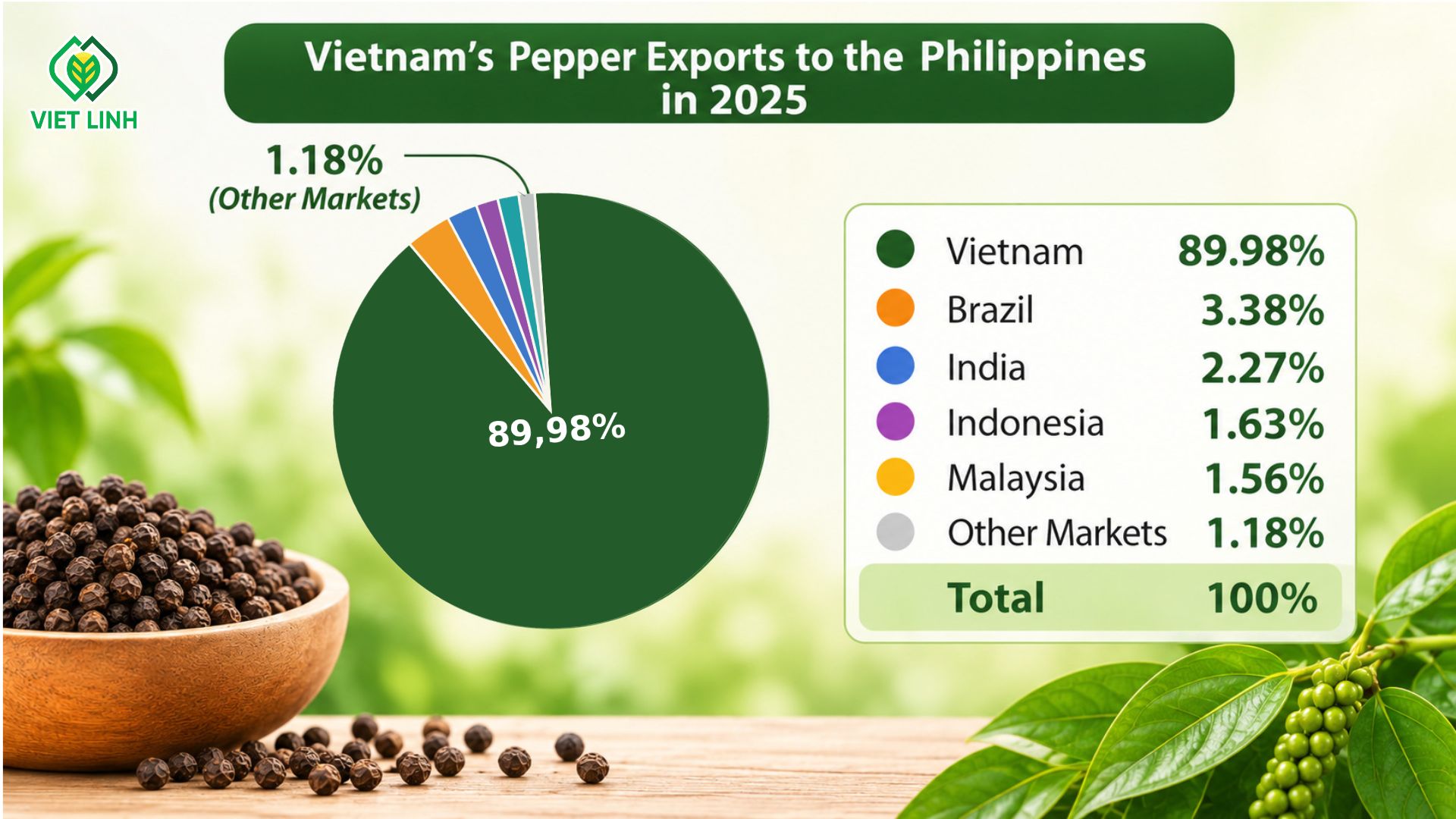
This import structure shows that Vietnam is more than just one of the Philippines’ pepper suppliers; it is currently the market’s leading source of supply. Nevertheless, importers may still consider other origins depending on product varieties, technical specifications, purchasing prices, and import plans.
2. Comparing Pepper Characteristics Across Major Supply Sources
Each country has a different position and level of presence in the Philippines’ import market. Pepper from different origins can vary in quality and flavor, depending on
factors such as pepper varieties, growing conditions, harvest maturity, and post-harvest processing methods. Therefore, origin can serve as an initial reference when selecting suppliers, but product samples and test results remain essential for evaluating actual quality.
Vietnam – Pronounced Heat and a Rich Pepper Aroma
Vietnamese black pepper is widely recognized for its pronounced pungency, distinctive warming sensation, and rich aroma. These characteristics make it suitable for food manufacturers seeking a prominent pepper flavor in products such as seasoning blends, sauces, marinades, and processed foods.
In terms of appearance, Vietnamese pepper is available in various grades based on bulk density and cleaning standards. Importers can select products according to requirements for size, uniformity, and the proportion of shriveled or broken berries. This is a notable advantage for businesses that need to maintain consistent raw material quality while preserving the characteristic pepper flavor in their finished products.
Brazil – Large Supply Volumes and a Strong Focus on Black Pepper
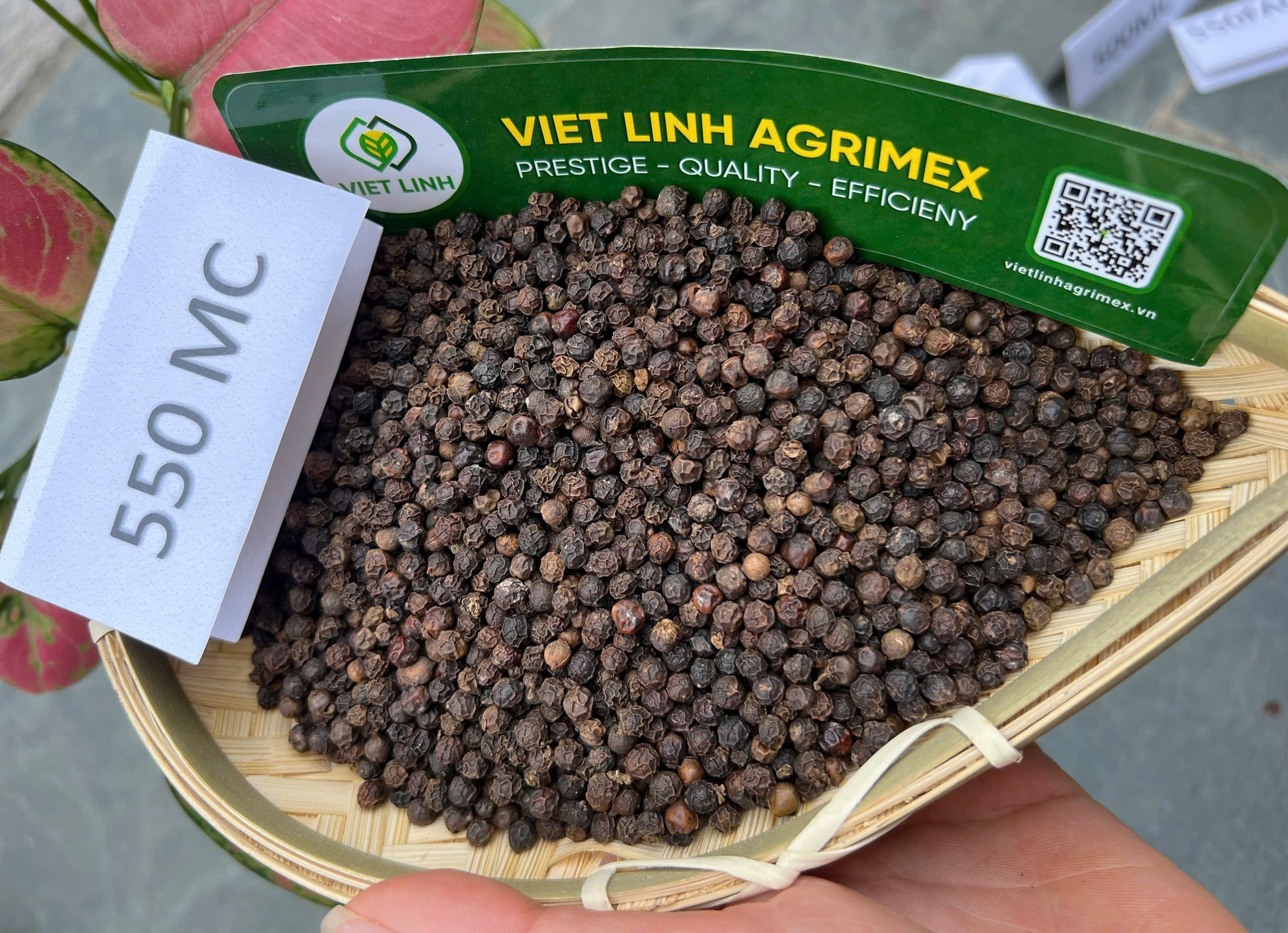
Brazil is one of the world’s major pepper producers and exporters, with production concentrated mainly in the states of Pará and Espírito Santo. Its exports consist primarily of black pepper, commonly offered according to commercial bulk density specifications of approximately 550–570 g/l.
Brazilian pepper generally has a milder flavor than Vietnamese pepper, making it suitable for manufacturers seeking moderate pungency or products that require blending with pepper from other origins. Key quality control considerations include consistency between shipments and microbiological standards. Given the long geographical distance and extended transit times, Philippine pepper importers should also factor in delivery schedules and logistics costs when comparing Brazilian supplies with regional sources.
India – Malabar and Tellicherry Pepper for Premium Markets
India stands out for its well-defined pepper grades. Malabar Garbled (MG1) is a mainstream black pepper grade, while Tellicherry (TGEB) consists of selected larger berries and is generally positioned in a higher market segment.
Indian pepper is known for its complex aroma, with citrus notes and warm woody undertones. It is suitable for premium seasonings, masala blends, and retail products that emphasize product origin. However, prices are generally higher, and the larger berry size may require suitable grinding processes.
Indonesia – Strong in Muntok White Pepper and Lampung Black Pepper
Indonesia’s two main pepper varieties are Lampung black pepper, from South Sumatra, and Muntok white pepper, from Bangka Island.
Muntok is a traditional white pepper variety known for its clean aroma, mild pungency, and geographical indication. As a result, Indonesia is often considered by importers prioritizing white pepper for stews, soups, and products where visible black specks are undesirable. Lampung black pepper is also widely traded, although its supply volume to the Philippines remains relatively small.
Malaysia – Sarawak Pepper, Noted for White Pepper and Geographical Certification
Most Malaysian pepper originates from the state of Sarawak. Sarawak white pepper is known for its light color, mild aroma, and closely controlled processing standards. Its regional branding is managed by the Malaysian Pepper Board (MPB).
However, Malaysia’s production volume is considerably smaller than Vietnam’s. Its pepper is therefore generally more suitable for niche market demand, retail packaging, or smaller orders than for serving as a primary supply source.
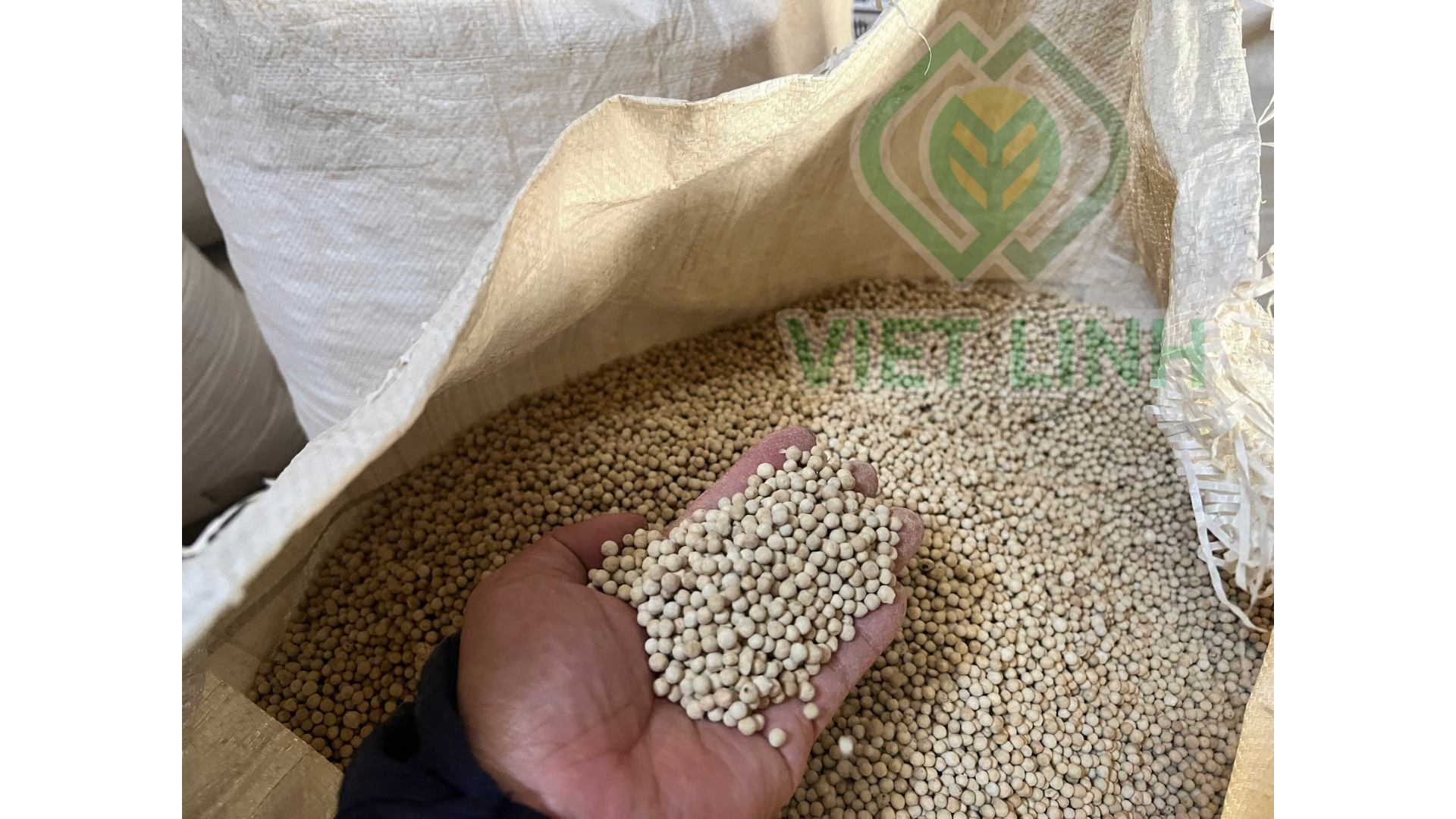
Overall, each supply source can serve different product applications and purchasing requirements. However, for businesses seeking pronounced pungency and a rich pepper aroma, Vietnamese pepper is a noteworthy option. When comparing suppliers, importers should request samples to directly assess pungency, aroma, appearance, and suitability for their product formulations.
3. Why Does Vietnamese Pepper Have an Advantage in the Philippine Market?
Vietnam’s position in the Philippines is closely linked to its role in the global pepper market. According to Tendata data compiled for 2025, Vietnam accounted for approximately 45.2% of the global export value of black pepper. Its large production and export capacity provides a strong foundation for serving multiple markets and customer segments.
Another notable advantage is the diversity of available varieties and specifications. Importers can source whole black pepper, whole white pepper, or ground pepper, with different bulk density levels and cleaning requirements. For example, 500 G/L FAQ and 550 G/L Machine Clean specifications have been recorded in various Vietnamese pepper transactions with the Philippines.
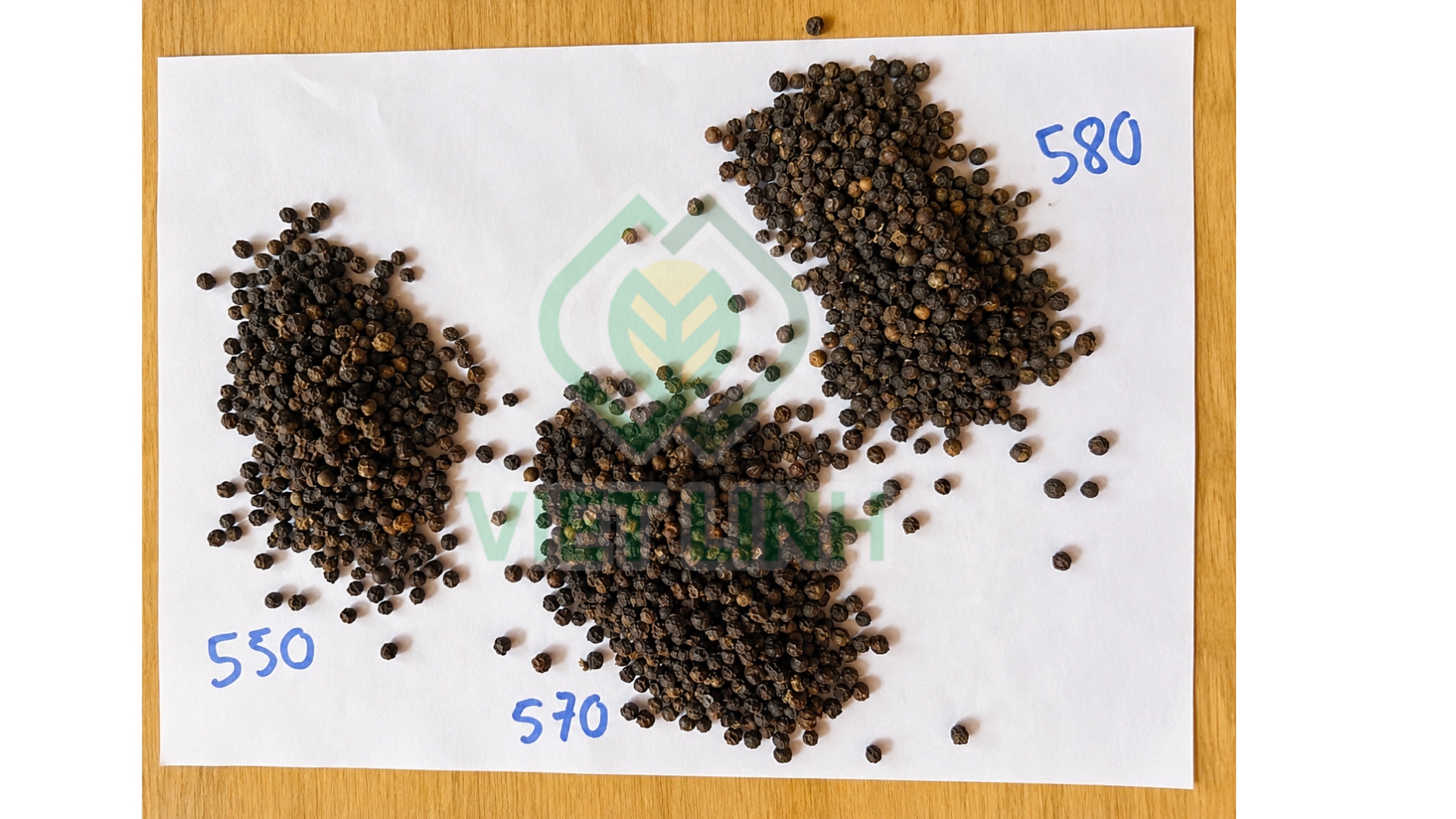
This product diversity allows Vietnamese pepper to meet a wide range of applications. Food processing factories can select raw pepper according to bulk density, moisture content, and foreign matter requirements. Seasoning manufacturers can use whole pepper for in-house grinding according to their own formulations or order ground pepper directly. Meanwhile, wholesale distributors and retail packaging businesses may prioritize berry uniformity, appearance, and packaging specifications.
Beyond product quality, supply capacity is another important consideration. For businesses importing large volumes or requiring regular replenishment, a stable supply source helps them manage inventory and production schedules more effectively. This gives importers a reason to consider sourcing directly from Vietnamese suppliers rather than comparing quoted prices across countries alone.
4. What Should Importers Check Before Importing Pepper?
Before selecting a supplier, Philippine pepper importers should clearly identify their intended applications to choose the appropriate product variety and quality standards.
For whole pepper, key specifications include bulk density, moisture content, foreign matter percentage, color, and uniformity. For ground pepper, importers should also specify fineness, flavor, and processing methods.
Read more: Spice Moisture Content for Export from Vietnam: How to Control Moisture from Factory to Port
Importers should also request product samples and a Certificate of Analysis (COA) to verify quality parameters before placing large-volume orders. Information regarding origin, processing procedures, packaging, and the weight of each bag should be clearly agreed upon to minimize discrepancies between approved samples and delivered goods.
Finally, businesses need to confirm order quantities, delivery schedules, destination ports, and trade terms. For imported plant products entering the Philippines, importers should verify the requirements for a Sanitary and Phytosanitary Import Clearance (SPSIC) and related procedures with the Philippines’ Bureau of Plant Industry (BPI) before proceeding with an order.
Read more: Vietnam’s 12-Month Spice Harvest Calendar
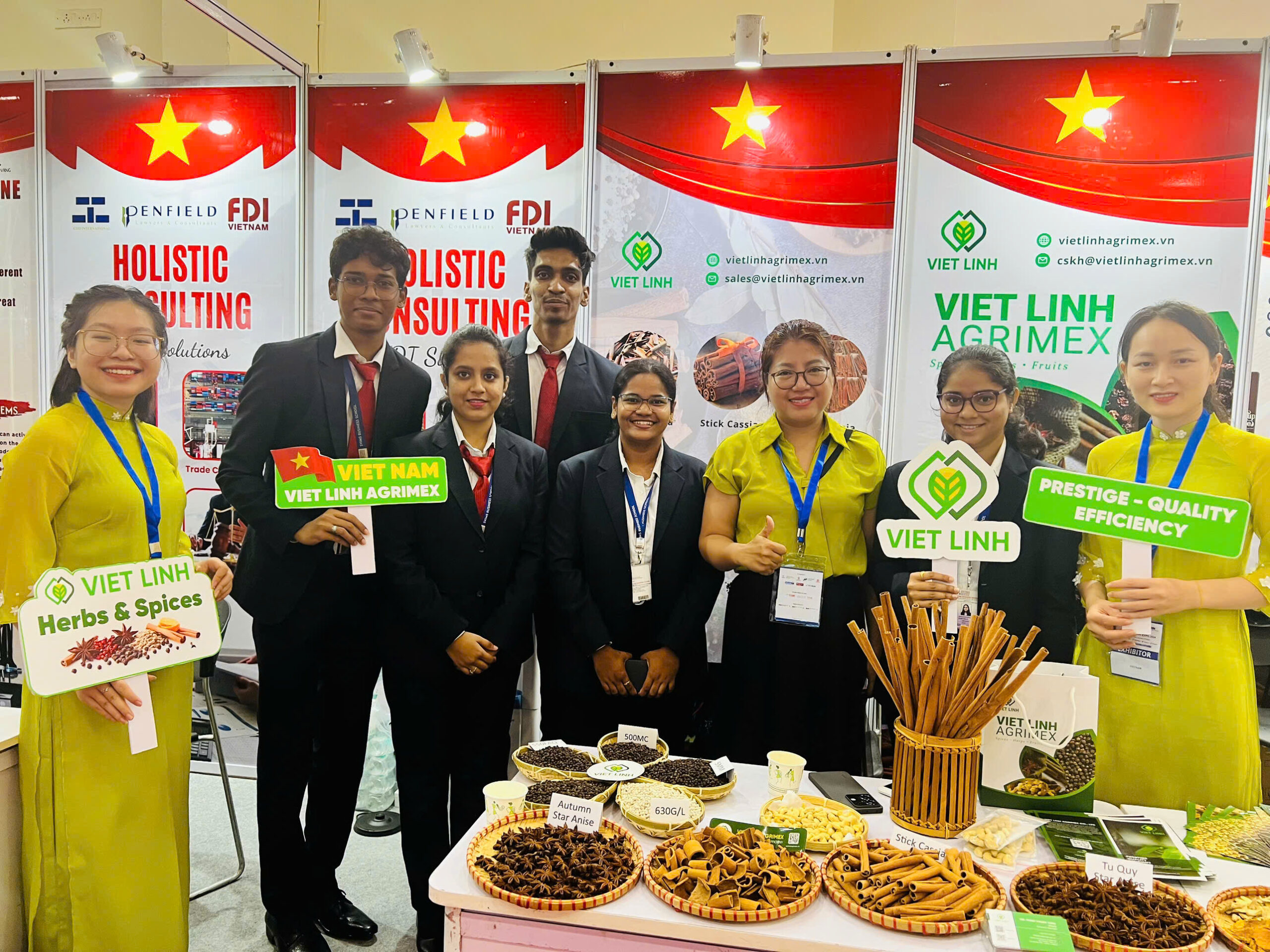
5. Viet Linh Agrimex – A Vietnamese Pepper Supply Partner for Philippine Businesses
Viet Linh Agrimex specializes in supplying Vietnamese pepper to international markets, with raw materials sourced primarily from the Central Highlands. This region features red basalt soil and a distinct wet and dry seasonal climate, conditions that are highly suitable for pepper cultivation and the development of berries with a rich aroma and pronounced pungency. A stable raw material base allows us to maintain reliable supply and consistent quality across shipments.
Supply Capacity: Thanks to our procurement network in raw material growing areas, Viet Linh Agrimex can supply more than 300 tons per month. This capacity is suitable for food processing factories, wholesale distributors, and packaging businesses that need to import large volumes or replenish their stocks regularly each month.
Read more: Viet Linh Agrimex Company Profile
Export Experience: We have established partnerships and exported pepper to various countries, including the Philippines, India, the Middle East, and several European markets. We are familiar with requirements relating to documentation, packaging, delivery schedules, and international trade terms. This experience helps ensure clear communication with new customers and minimizes potential issues during transactions.
Product Range and Technical Specifications: We supply black pepper, white pepper, whole pepper, and ground pepper. Depending on their intended applications, customers can discuss requirements for bulk density, moisture content, foreign matter percentage, cleaning methods, and packaging specifications. Technical requirements are agreed upon for each order to ensure that the products meet the buyer’s incoming raw material standards.
Read more: Pepper Product Range
Pre-Order Support: Viet Linh Agrimex works closely with customers throughout the sourcing process, from providing samples and confirming technical specifications to arranging delivery. Quotations can be prepared under FOB, CFR (CNF), or CIF terms, depending on the destination port and the importer’s requirements.
If your business is looking to source black pepper, white pepper, or ground pepper from Vietnam, Viet Linh Agrimex is ready to discuss product samples, technical standards, and required order quantities to propose a suitable supply solution.
Phone / WhatsApp / Zalo: 0345 128 188
Email: cskh@vietlinhagrimex.vn