Pepper Market Update
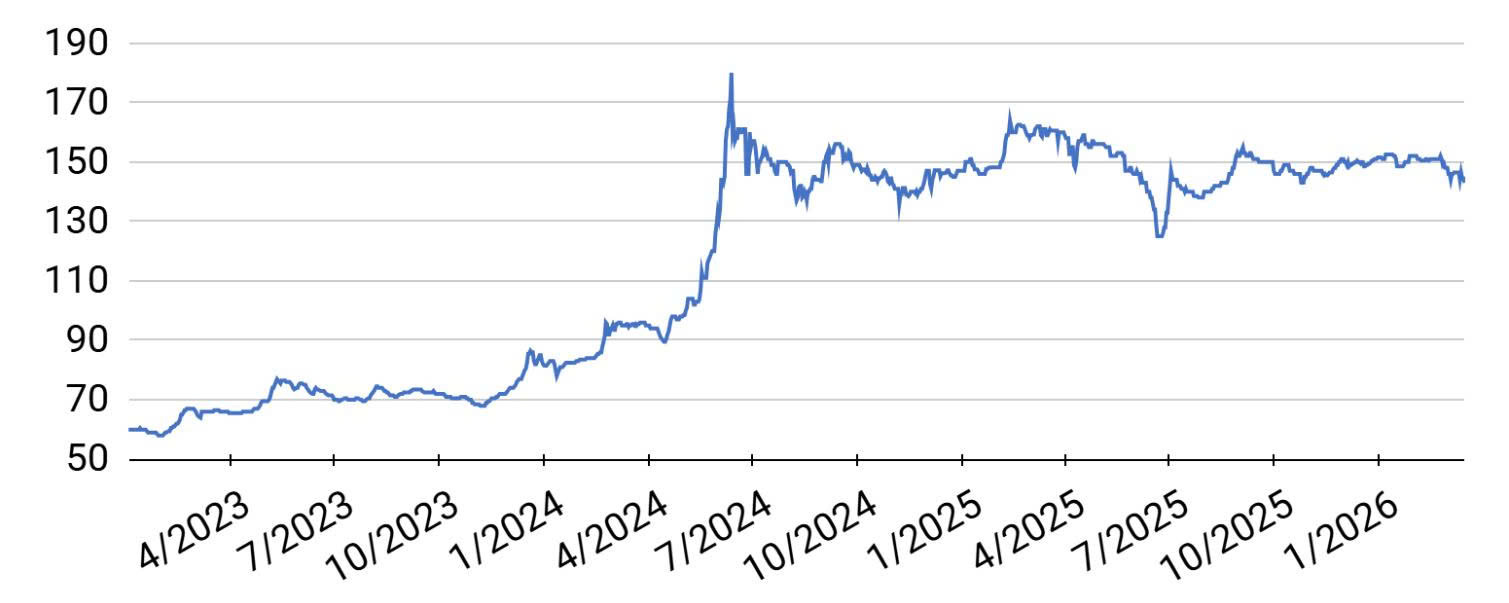
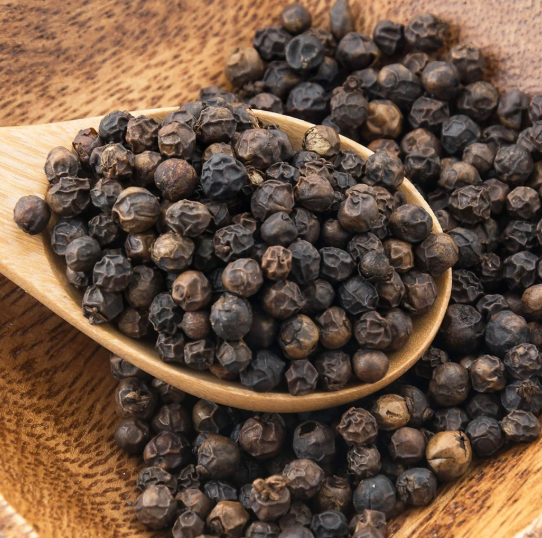
According to the Import-Export Department under the Ministry of Industry and Trade, the decline in domestic pepper prices is mainly due to increased supply from the new harvest season, while demand has not shown a corresponding rise.
Although the 2026 harvest season has begun, many farmers are selling only a small portion of their output to cover costs such as fertilizers and labor, while holding the remaining stock in anticipation of higher prices. With limited supply circulating in the market, pepper prices are expected to remain strong in the medium and long term.
Global Pepper Supply Trends
According to a recent report by Nedspice, global pepper production has been on a downward trend, declining by more than 30% compared to its peak in 2019 and stabilizing in recent years at around 460,000 tons.
Brazil continues to expand its cultivation area, while in other countries, the competitiveness of alternative crops such as coffee has limited the expansion of pepper farming.
Nedspice estimates that Vietnam’s pepper production in 2026 will reach approximately 160,000 tons, down 7% compared to the previous crop, mainly due to unfavorable weather conditions in April 2025. The impact of storms in November was assessed as relatively limited.
Vietnam Pepper Market and Policy Impact
Vietnam’s pepper prices declined in June 2025 due to the impact of U.S. tariffs and adjustments in domestic VAT policies. However, prices stabilized again from December after tariff exemptions were granted by the United States. In addition, the removal of the 5% VAT from January 2026 has improved cash flow for exporters without affecting raw material prices.
Global Production Outlook
Brazil’s pepper production in 2026 is forecast to reach approximately 118,000 tons, supported by expanded cultivation areas and favorable weather conditions. In southern Brazil, the harvest progress had reached around 70% as of January.
Indonesia’s pepper production is estimated at about 36,000 tons, with low carry-over stocks limiting export capacity.
Global Demand and Trade Outlook
On the demand side, global consumption in 2025 remained sluggish, as the United States—the world’s largest importer—reduced its import volume by approximately 20%. However, Vietnam’s total pepper exports remained stable at around 250,000 tons, supported by increased imports from Brazil and Cambodia.
Export activities have shown improvement in the early months of 2026. Currently, global pepper supply is estimated to be 40,000 – 70,000 tons lower than global demand, indicating a potential supply deficit.
Impact of Iran Conflict on Pepper Trade
The conflict involving Iran is likely to impact global pepper trade. The United Arab Emirates (UAE) is the second-largest importer of pepper from both Vietnam and Brazil, highlighting the region’s significant role in global demand and trade routes passing through the Strait of Hormuz.
Due to the conflict, trading activities through the UAE may decline, affecting overall pepper demand. At the same time, the rerouting of shipping lines could increase freight costs and extend delivery times to European markets.