


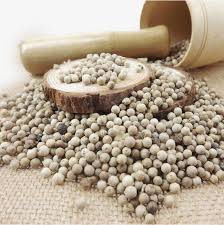


In the modern spice and food industry, white pepper is regarded as a premium product thanks to its refined flavor, distinctive pungency, and high commercial value. Widely used in culinary applications, white pepper is also an essential ingredient in food processing and export markets, meeting the growing demand of both domestic and international customers.
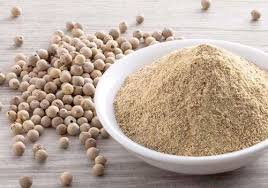
What Is White Pepper?
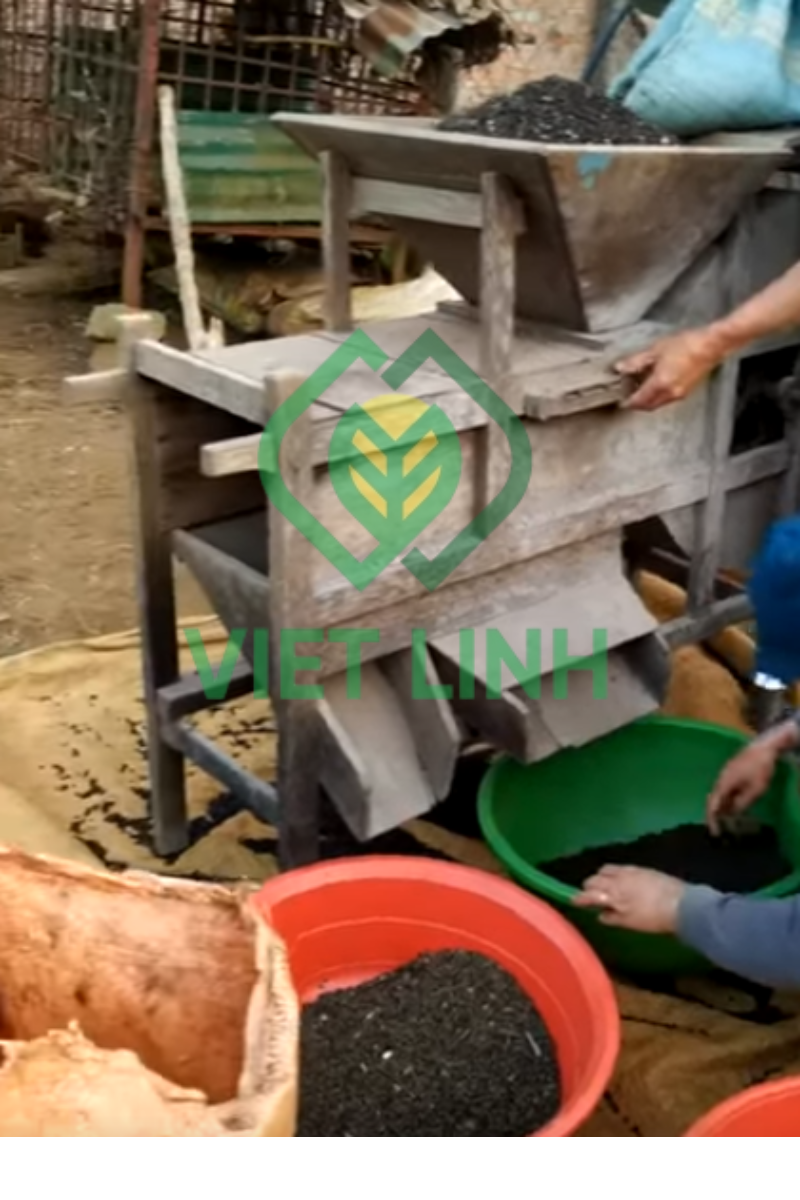
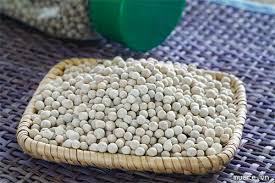
White pepper is produced from fully ripe pepper berries. After harvesting, the berries are soaked to remove the outer skin, then dried to obtain the inner peppercorn. This processing method gives white pepper its characteristic off-white color, mild aroma, and cleaner, more subtle heat compared to black pepper.
Compared to black pepper, white pepper offers several advantages:
-
Milder aroma with refined pungency
-
Light color, suitable for premium and light-colored dishes
-
Easy to blend in industrial food processing
Characteristics of High-Quality White Pepper
High-quality white pepper typically features:
-
Uniform, round peppercorns with a natural off-white color
-
Mild, clean aroma without off-odors
-
Stable pungency and essential oil content
-
Low impurity levels, free from moisture and mold
The quality of white pepper largely depends on raw material selection and processing techniques.
Applications of White Pepper
Food Industry
White pepper is widely used in:
-
Premium Asian and Western cuisine
-
Soups, sauces, and dishes requiring a light appearance
-
Vegetarian and refined food products
Industrial Processing
White pepper is an important raw material for:
-
Ground spices and blended seasonings
-
Packaged and ready-to-eat foods
-
Canned food production
Health and Wellness
In traditional applications, white pepper is known for:
-
Supporting digestion
-
Providing warming properties
-
Enhancing nutrient absorption
Processing and Storage of White Pepper
White pepper is processed under strict quality control procedures:
-
Harvesting fully ripe pepper berries
-
Soaking and removing the outer skin
-
Drying under controlled conditions
-
Sorting and packaging according to usage requirements
This process ensures food safety, consistent quality, and long shelf life.
White Pepper for Export Markets
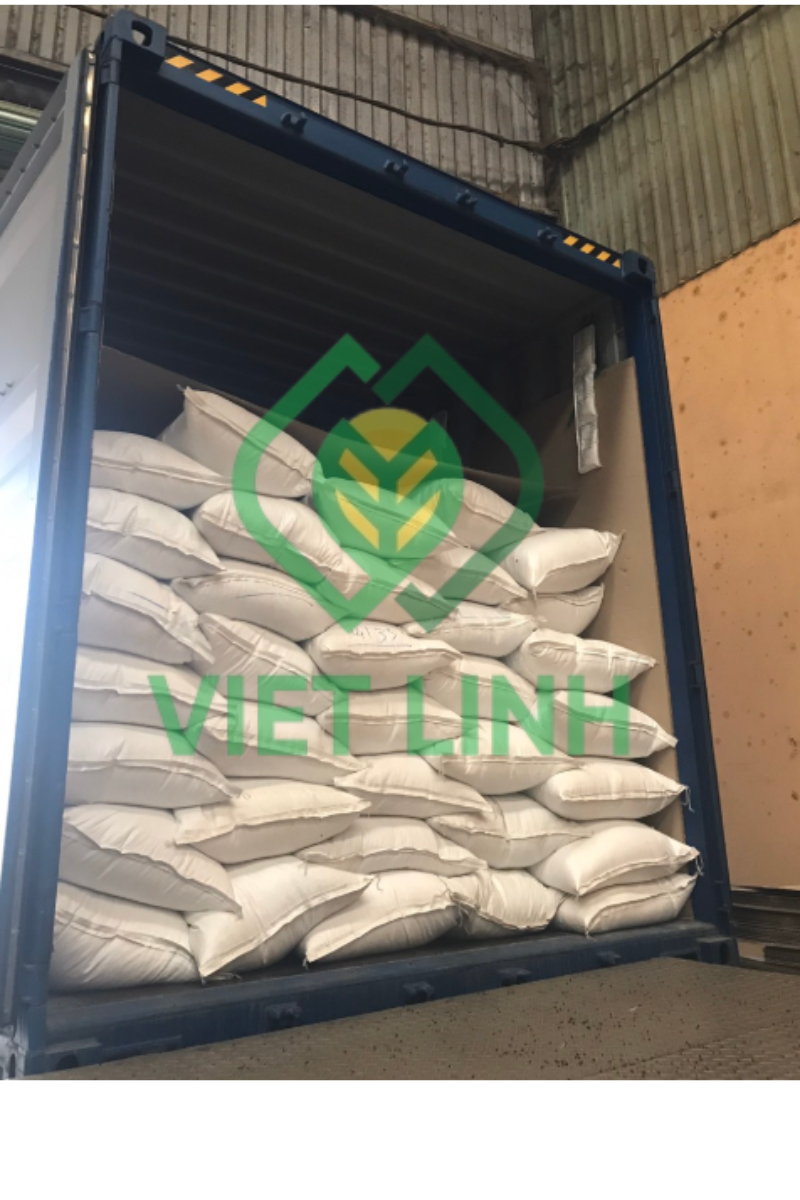
Global demand for white pepper continues to grow, especially in Asian, European, and Middle Eastern markets. The product meets key export requirements, including:
-
Food safety compliance
-
Traceability
-
Flexible packaging options
As a result, white pepper is suitable for both domestic distribution and large-scale international exports.
Conclusion
White pepper is a premium spice that delivers high value to the global food industry. With its refined flavor, versatile applications, and stable market demand, white pepper continues to play a vital role in the international spice supply chain.
👉 Contact us today for detailed product information and pricing.
