

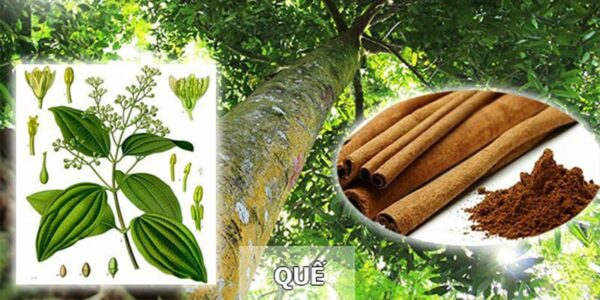


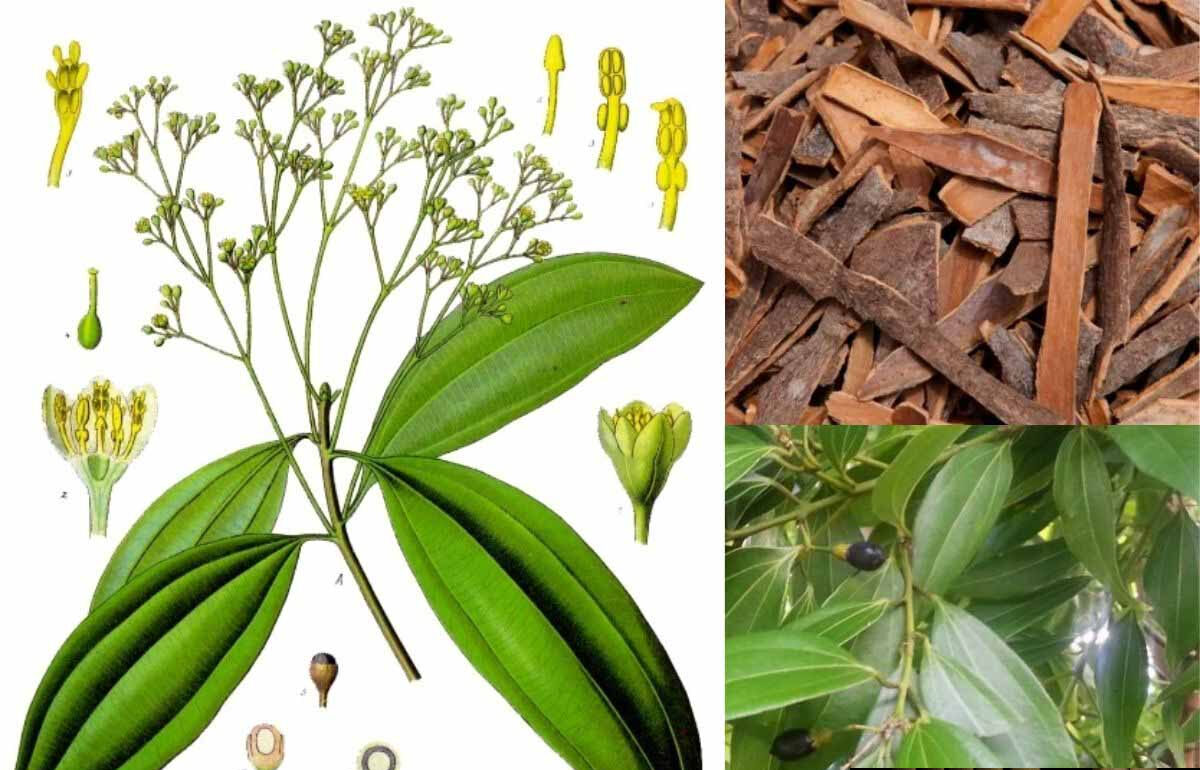
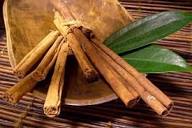


In the spice and natural agricultural ingredient industry, not only cinnamon bark but also cinnamon leaves from the cinnamon tree play an important role. With their warm, aromatic fragrance and natural essential oil content, cinnamon leaves are increasingly used in food applications, herbal products, and industrial processing. Thanks to abundant raw material sources and proper drying methods, cinnamon leaves have become a promising product for both domestic consumption and export markets.
What Are Cinnamon Leaves?
Cinnamon leaves are harvested from mature cinnamon trees during routine cultivation and harvesting cycles. After collection, the leaves are cleaned and sun-dried or mechanically dried to preserve their natural aroma and essential oil content.
Compared to cinnamon bark, cinnamon leaves offer a milder yet distinctive cinnamon fragrance, making them suitable for applications that require stable and natural aromatic characteristics.
Characteristics of High-Quality Cinnamon Leaves
Premium cinnamon leaves typically have the following characteristics:
-
Natural dark green to brownish-green color after drying
-
Whole leaves with minimal breakage
-
Clear, warm cinnamon aroma without musty odor
-
Evenly dried, low moisture content, easy to store
The quality of cinnamon leaves depends largely on the cinnamon variety, growing conditions, and drying process.
Advantages of Cinnamon Leaves in Processing
Compared to other aromatic leaves, cinnamon leaves offer several advantages:
-
Natural and sustainable raw material
-
Competitive pricing
-
Easy storage and transportation
-
Versatile applications across multiple industries
These benefits make cinnamon leaves a suitable choice for medium- and large-scale manufacturers.
Applications of Cinnamon Leaves
In the Food Industry
Cinnamon leaves are used to:
-
Add natural aroma to broths, stews, and cooked dishes
-
Produce herbal and cinnamon leaf tea
-
Blend into natural spice mixtures
In Health and Wellness
Cinnamon leaves are commonly used in:
-
Traditional herbal remedies
-
Products supporting digestion and body warmth
-
Herbal tea formulations
In Industrial Processing
Cinnamon leaves serve as raw material for:
-
Cinnamon leaf essential oil extraction
-
Functional foods and dietary supplements
-
Cosmetics and personal care products
Harvesting and Processing of Cinnamon Leaves
Cinnamon leaves are processed under controlled conditions:
-
Harvesting leaves from mature cinnamon trees
-
Removing damaged leaves and foreign matter
-
Washing and draining
-
Sun-drying or mechanical drying at appropriate temperatures
-
Sorting and packaging
This process ensures food safety, natural aroma retention, and consistent quality.
Cinnamon Leaves for Export Markets
Global demand for dried cinnamon leaves is increasing, especially in sectors such as spices, herbal teas, and essential oil extraction. Cinnamon leaves meet key export requirements, including:
-
Food safety compliance
-
Clear origin traceability
-
Flexible packaging options
As a result, cinnamon leaves are suitable for both domestic distribution and international export.
Conclusion
Cinnamon leaves from the cinnamon tree are a valuable natural ingredient with wide applications in food, health, and industrial processing. With their distinctive aroma, stable quality, and sustainable supply, cinnamon leaves continue to strengthen their position in the global spice and agricultural supply chain.
👉 Contact us today for consultation and competitive pricing on high-quality cinnamon leaves for domestic use and export.
